You catch your toe on the edge of a rug, reach for the kitchen bench and manage to steady yourself. You did not hit the floor, so it can be tempting to forget about it.
But a near-fall can still tell you something important about your balance.
An occasional stumble can happen to anyone. However, repeated near-falls, feeling increasingly unsteady or regularly needing to grab furniture for support may be worth paying attention to. These moments can provide an opportunity to look at your strength, mobility, surroundings and other factors that help you stay steady.
What Counts as a Near-Fall?
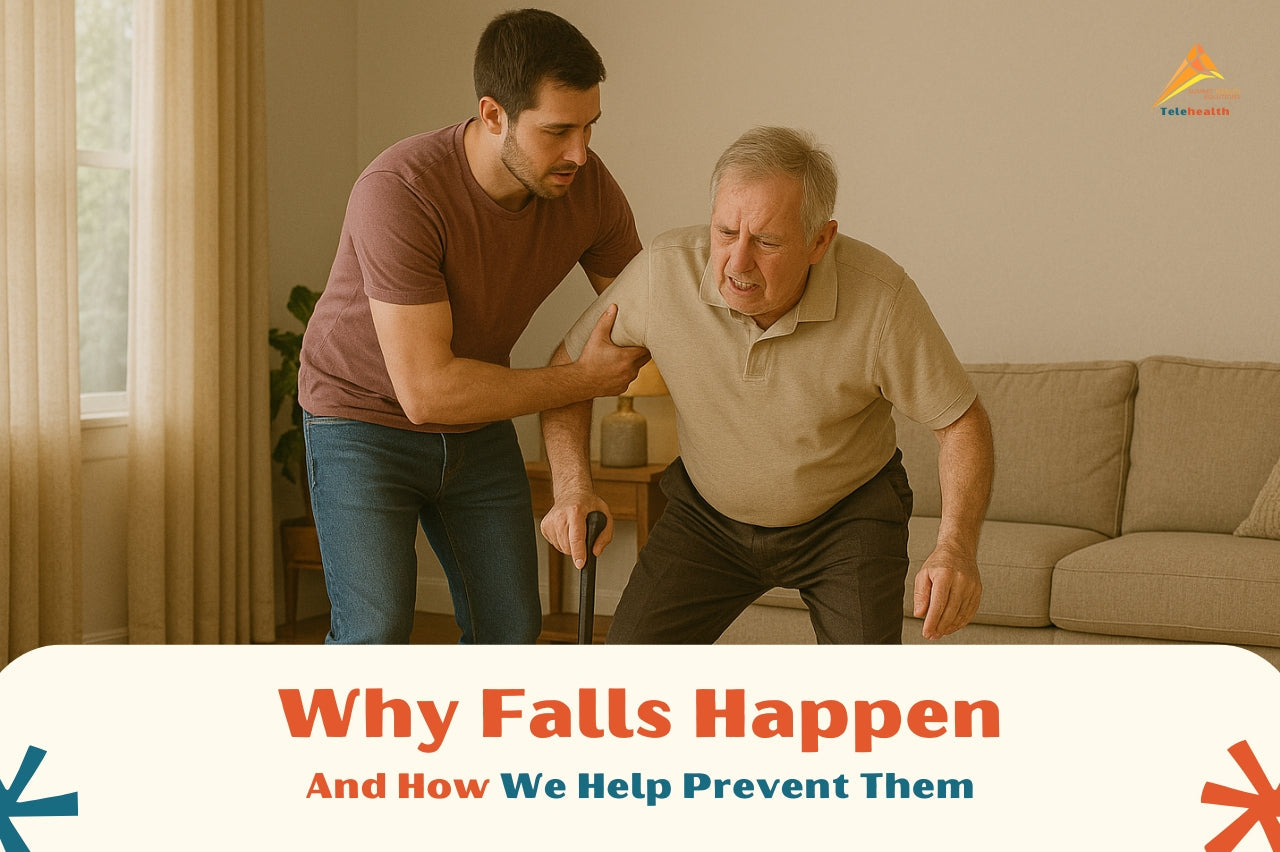
A near-fall happens when you lose your balance but recover before reaching the ground. You might catch yourself on a wall, grab a chair, take several quick steps or rely on another person to remain upright.
It might happen when you:
-
get up quickly from a chair or bed
-
turn or change direction
-
walk over an uneven surface
-
step around an obstacle
-
trip but manage to recover
Because there is no obvious injury, these incidents can be easy to dismiss. However, Harvard Health Publishing notes that increasingly frequent stumbles can be a reason to pay closer attention to balance and fall risk.
What Can a Stumble Reveal About Your Balance?
Staying upright is not the job of one muscle. Good balance relies on several systems working together, including muscle strength, vision, sensation and the ability to respond when your body suddenly moves away from a stable position.

Healthdirect Australia identifies several factors that can contribute to falls in older adults, including balance difficulties, dizziness, muscle weakness, reduced sensation in the feet and legs, joint pain and changes in eyesight.
This is why the circumstances around a near-fall matter. Did you feel dizzy when you stood up? Did your foot catch on something? Were you unable to take a quick recovery step? Are you increasingly reaching for furniture while walking?
Recognising patterns can provide useful information to discuss with your GP or health professional.
Balance Is Also About How You Recover
Having good balance does not mean never wobbling. Everyday activities constantly require your body to adjust.
Think about stepping off a kerb, turning around in the kitchen or reaching into a cupboard. Your body needs to respond to each change in position.
When you stumble, another skill becomes important: recovering your balance quickly enough to remain upright. Strength, coordination and reaction time can all contribute to this response.
Related Reading
Balance and falls prevention are closely connected to the movement habits we practise regularly. Read The One Habit That Can Reduce Your Risk of Falling Every Day for another practical way to think about reducing fall risk.
There is more to falls prevention than improving balance alone. Understanding the different factors that can influence your risk can help you take a more complete approach to staying safe and independent.
Building Better Balance Before a Fall
You do not need to wait until a fall happens to start working on your balance.
The Australian Government’s physical activity recommendations for older adults recommend functional activities that target mobility, balance and coordination on three or more days each week, alongside muscle-strengthening activities on at least two days.
Balance training may involve activities that practise:
-
shifting weight from side to side
-
stepping in different directions
-
turning safely
-
changing your base of support
-
improving lower-body strength
-
responding to changes in body position
For someone experiencing repeated near-falls or feeling unsafe exercising alone, professional guidance may be appropriate.
Your Home Can Affect Your Balance Too
Sometimes it is not only about how your body responds, but what it has to respond to.
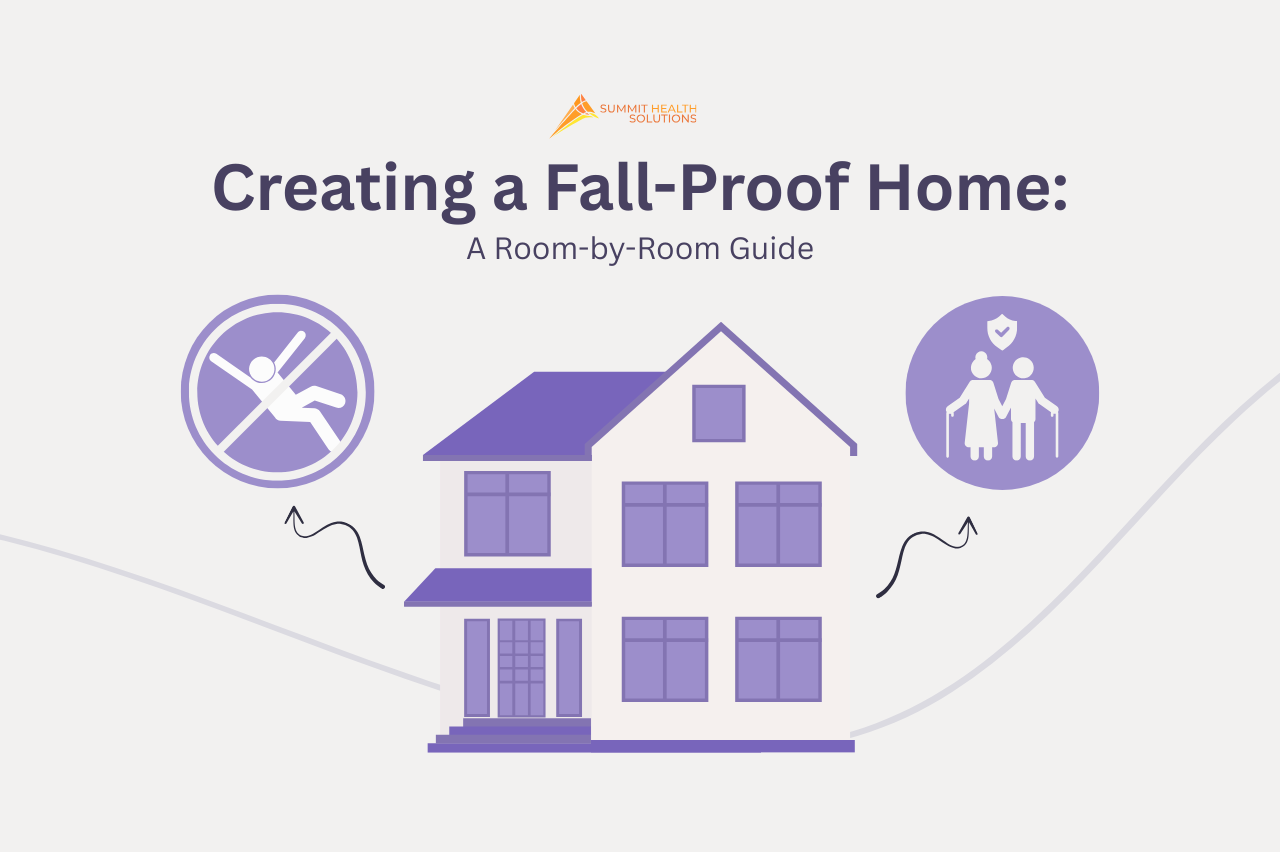
Loose rugs, poor lighting, cluttered pathways, slippery surfaces and uneven flooring can turn a small loss of balance into a fall. It is recommended that addressing hazards around the home and explains that an occupational therapist can help identify home modifications that may reduce falls risk.
Prevent Falls at Home – Get Your Free Checklist
Small hazards can be easy to overlook when you see them every day.
Reduce the risk of falls with our Falls Prevention Checklist — a simple tool to help you spot potential hazards in your loved one’s home. Sign up and download the free checklist.
When Near-Falls Keep Happening
One stumble does not necessarily mean there is a serious problem. However, if near-falls are becoming frequent, your balance has noticeably changed or you regularly feel dizzy or unsteady, consider discussing this with a health professional.
Queensland Health advises people who feel unsteady or have experienced a fall, even without injury, to talk with their doctor.
Falls prevention often involves looking at several factors together rather than focusing on balance alone.
How Summit Health Solutions Can Help
At Summit Health Solutions, we provide Occupational Therapy and Physical Therapy services for seniors, including a Falls Prevention Program designed to help older adults stay safer and maintain their independence.
Our team of therapists and home safety professionals brings OTs and PTs directly to patients’ homes. This allows the team to consider how someone moves within the environment where everyday activities actually happen.
Depending on individual needs, support may involve looking at mobility, strength and balance, everyday activities, equipment and potential hazards around the home.
A near-fall does not have to be dismissed simply because you stayed on your feet. It can be an opportunity to notice a change, understand what contributed to it and take action before the next stumble becomes a fall.
Frequently Asked Questions
1. Should I worry if I stumble but do not actually fall?
An occasional stumble can happen to anyone. If you are stumbling more frequently, regularly grabbing furniture for support or noticing a change in your steadiness, it may be worth discussing with your GP or another health professional.
2. Why might my balance be getting worse?
Several factors can affect balance, including changes in muscle strength, vision, sensation, mobility, medications, dizziness and health conditions. Environmental hazards can also contribute to falls risk.
3. Can exercise improve balance in older adults?
Exercise can train abilities that contribute to balance and falls prevention, particularly when it appropriately challenges balance while building strength, mobility and coordination.
4. Can an occupational therapist help with falls prevention?
Yes. Occupational therapists can consider how someone manages everyday activities and identify environmental factors that may make movement less safe, including potential home modifications or equipment.
5. When should I seek help after a near-fall?
Consider seeking professional advice if near-falls keep happening, you feel increasingly unsteady, experience new dizziness or weakness, or notice a significant change in mobility. Seek prompt medical attention following a fall or near-fall if there are urgent symptoms or injuries.