Fall risk reduction is essential for maintaining independence, mobility, and overall wellbeing—especially for older adults. While environmental hazards are often discussed, physical factors like flexibility and posture play an equally important role. When these are improved, movement becomes safer, balance is enhanced, and the likelihood of falls can be significantly reduced.
By focusing on how the body moves and supports itself, fall risk reduction becomes a proactive approach rather than a reactive one. Strengthening flexibility and posture allows older adults to move with greater confidence and stability in their daily lives.
Why Fall Risk Reduction Matters
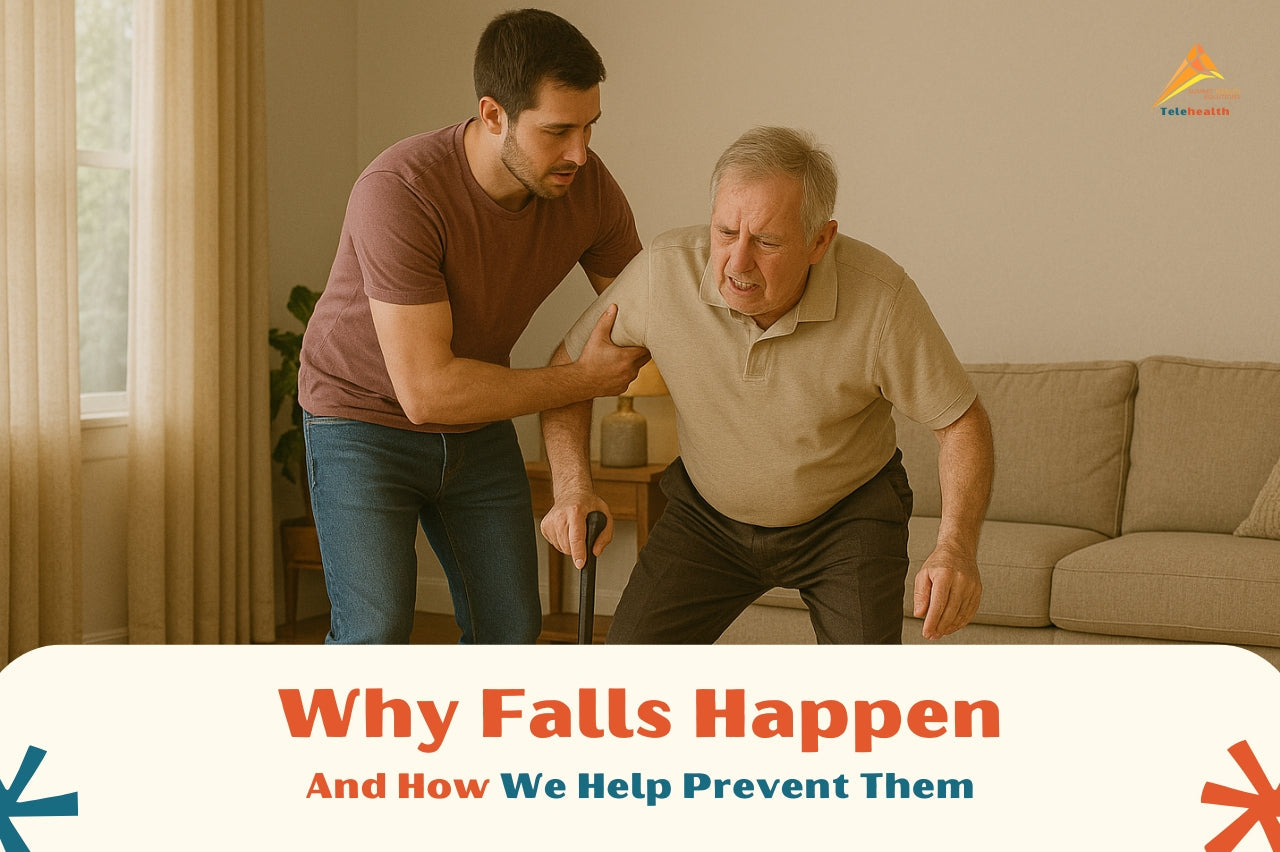
Falls are one of the leading causes of injury among older adults, often resulting in reduced mobility and loss of independence. According to the National Institute on Aging, factors such as poor balance, muscle weakness, and changes in posture contribute significantly to fall risk.
When these physical factors are not addressed, even simple movements—like standing up, walking, or turning—can become unstable. That’s why fall risk reduction strategies must go beyond the environment and focus on the body itself.
How Flexibility Supports Fall Risk Reduction
Flexibility refers to the ability of muscles and joints to move freely through their full range of motion. As people age, flexibility naturally decreases, leading to stiffness and restricted movement.
Improving Movement Efficiency
When flexibility is limited, movements become slower and less controlled. This increases the risk of tripping or losing balance. Regular stretching and mobility exercises can help maintain smoother, more coordinated movement patterns—key for fall risk reduction.
Reducing Muscle Tightness
Tight muscles can affect posture and balance. Improving flexibility helps reduce strain on joints and allows the body to respond more effectively to sudden changes in position.
Supporting Balance Recovery
If a person stumbles, flexibility allows the body to react quickly and regain balance. Without it, recovery becomes more difficult, increasing the chance of a fall.
The Role of Posture in Fall Risk Reduction
Posture is how the body is aligned while standing, sitting, or moving. Poor posture—such as slouching or leaning forward—can shift the body’s centre of gravity, making balance harder to maintain.

Maintaining Proper Alignment
Good posture keeps the body aligned, allowing weight to be distributed evenly. This reduces strain on muscles and joints and improves overall stability.
Enhancing Balance and Stability
Proper posture supports better balance by keeping the body centred. This is especially important when walking or changing direction.
Reducing Fatigue
Poor posture can lead to muscle fatigue, which increases the risk of instability. By maintaining good posture, individuals can move more efficiently and with less effort—supporting long-term fall risk reduction.
Flexibility and Posture: A Combined Approach
Flexibility and posture work together to create a stable and balanced body. When both are addressed, the benefits for fall risk reduction are even greater. For example:
- Improved flexibility allows for better posture
- Good posture enhances balance and coordination
- Together, they reduce strain and improve movement confidence
According to the NHS, exercises that focus on balance and body control are effective in reducing the likelihood of falls. These exercises often incorporate both flexibility and posture, reinforcing their importance.
Practical Strategies for Fall Risk Reduction
Regular Stretching and Mobility Exercises
Simple daily stretches can improve flexibility and reduce stiffness. Over time, this supports smoother and safer movement.
Strength and Balance Training
Incorporating exercises that improve strength and balance helps stabilise the body and reduce fall risk.
Posture Awareness
Being mindful of posture during daily activities—such as sitting, standing, and walking—can make a significant difference in stability.
Environmental Awareness
While physical factors are key, combining them with a safe environment enhances overall fall risk reduction.
Professional Support for Fall Risk Reduction
For many older adults, structured support can make a significant difference. Through Summit Health Solutions, occupational and physical therapy services are designed to support seniors in improving flexibility, posture, and overall mobility.
Their fall prevention approach focuses on:
- Individualised movement strategies
- Improving strength, balance, and coordination
- Supporting safe and confident mobility
By addressing both physical and environmental factors, this approach helps older adults stay independent and reduce their risk of falls.
You can also explore falls prevention resources, including practical tools designed to identify potential hazards and improve safety at home.
Supporting Safer Living Through Awareness
Preventing falls isn’t just about reacting to risks—it’s about understanding them early and taking action. Small changes in flexibility and posture can lead to significant improvements in stability and confidence.
For a deeper understanding of why falls occur and how to prevent them, you can also explore: Why Falls Are the Leading Cause of Injury in Older Adults—and How to Prevent Them
Additionally, a helpful step is using tools like the falls prevention checklist, a simple way to identify hazards and make meaningful safety improvements at home.
A Holistic Approach to Fall Risk Reduction
Effective fall risk reduction combines physical conditioning, awareness, and practical support. By improving flexibility and posture, older adults can enhance their ability to move safely and confidently.
With the right strategies in place, it’s possible to reduce the likelihood of falls, maintain independence, and support long-term wellbeing.
FAQs
1. Why is flexibility important for fall risk reduction?
Flexibility allows the body to move freely and respond quickly to changes in position. This helps maintain balance and reduces the risk of falls.
2. How does posture affect fall risk?
Poor posture can shift the body’s centre of gravity, making balance more difficult. Good posture improves stability and reduces strain on muscles.
3. What exercises help with fall risk reduction?
Exercises that focus on balance, strength, and flexibility—such as stretching and controlled movements—are effective in reducing fall risk.
4. Can improving posture alone reduce falls?
Posture plays a key role, but it works best when combined with flexibility and strength training for overall stability.
5. Where can I find tools to help prevent falls?
You can access helpful resources like the falls prevention checklist, which provides practical steps to identify and reduce risks at home.