When people hear the term occupational therapy, many immediately think it’s only about helping someone get back to work. In reality, occupational therapy is a highly specialised, evidence-based allied health service that supports individuals in maintaining independence, safety, and quality of life across all stages of life — especially for seniors.
According to Healthdirect Australia, occupational therapy helps people participate more fully in daily activities after illness, injury, or disability. Despite its growing importance in aged care and community health, several myths continue to create confusion about what occupational therapists actually do.
Let’s clear them up.
Myth 1: Occupational Therapy Is Only About Employment
One of the most common misconceptions about occupational therapy is that it focuses solely on jobs or returning to work. While workplace rehabilitation can be part of the profession, “occupation” refers to any meaningful daily activity.
This includes:
-
Dressing and bathing
-
Cooking and meal preparation
-
Driving or using public transport
-
Social participation
-
Hobbies and leisure
-
Home safety and mobility
For seniors, occupation often means maintaining independence at home. Occupational therapists assess the physical environment, recommend assistive technology, and design personalised therapy plans that support safe and confident living. At Summit Health Solutions, our occupational therapy services for seniors focus on helping older adults remain independent in their own homes for as long as possible. We look beyond symptoms and consider the whole person — their routines, goals, and living environment.
Myth 2: Occupational Therapy and Physiotherapy Are the Same
Although occupational therapy and physiotherapy both fall under allied health, they serve different but complementary roles.
Physiotherapy primarily focuses on improving movement, strength, and physical recovery. Occupational therapy, however, centres on helping individuals perform meaningful daily tasks safely and independently.
For example:
-
A physiotherapist may help improve knee strength after surgery.
-
An occupational therapist helps the same person safely shower, cook meals, and navigate stairs at home.
The University of Queensland’s School of Health and Rehabilitation Sciences highlights that occupational therapists enable participation in everyday life by addressing physical, cognitive, and environmental barriers.
In senior care, both disciplines often work together — but occupational therapy uniquely bridges recovery and real-life function.
Myth 3: Occupational Therapy Is Only for People With Severe Disabilities
Another misconception is that occupational therapy is only necessary for individuals with major disabilities. In reality, it supports people across a wide spectrum of needs — from mild balance concerns to complex neurological conditions.
Older adults may benefit from occupational therapy if they experience:
-
Frequent falls
-
Difficulty managing medications
-
Memory challenges
-
Arthritis-related limitations
-
Reduced confidence after hospitalisation
Preventative intervention is one of the most powerful aspects of occupational therapy. By addressing risks early, therapists can reduce falls, prevent hospital readmissions, and promote long-term wellbeing.
The role of occupational therapy in promoting health participation is also recognised by Allied Health Professions Australia, which emphasises the profession’s contribution to wellbeing and independence.
Myth 4: Occupational Therapy Is Only for Physical Problems
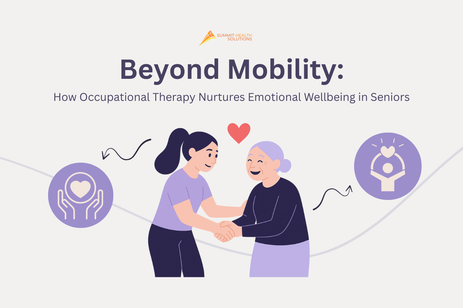
While occupational therapy certainly addresses mobility and strength, it also supports cognitive and emotional wellbeing.
For seniors, therapy may include:
-
Memory strategies for early dementia
-
Energy conservation techniques for chronic fatigue
-
Anxiety management related to mobility loss
-
Environmental modifications for cognitive safety
Occupational therapists take a holistic approach — examining how mental, emotional, and environmental factors impact everyday life.
If you’d like to explore how therapy empowers seniors directly at home, you may also find value in our previous article, From Struggle to Strength: How Occupational Therapists Empower Seniors at Home, where we share practical examples of in-home support improving confidence and independence.
Myth 5: Seniors Should “Just Adapt” to Ageing
There’s a persistent belief that loss of independence is simply a normal part of ageing and must be accepted. While certain changes are natural, preventable decline should never be dismissed.
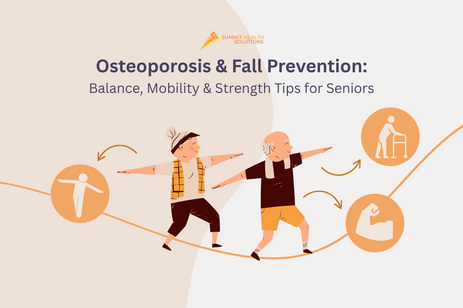
Occupational therapy for seniors focuses on healthy ageing, fall prevention strategies, assistive equipment recommendations, and home modifications that reduce injury risk.
Common interventions include:
-
Grab rail and bathroom safety assessments
-
Mobility aid training
-
Kitchen reorganisation for energy efficiency
-
Cognitive strategies for medication management
-
Home hazard assessments
These practical adjustments can dramatically improve quality of life. Rather than “just coping,” seniors can thrive with the right support.
At Summit Health Solutions, we are passionate about delivering personalised occupational therapy services tailored to the goals of older adults and their families. Our team works collaboratively to ensure safety, dignity, and meaningful participation remain at the centre of care.
Why Occupational Therapy Matters More Than Ever
Australia’s ageing population continues to grow, increasing the need for preventative, community-based healthcare. Occupational therapy plays a vital role in:
-
Reducing hospital admissions
-
Supporting ageing in place
-
Improving mental wellbeing
-
Enhancing daily function
-
Promoting independence and autonomy
Early intervention can significantly delay the need for residential aged care. Families often feel relief knowing a professional has assessed the home environment and created a clear, practical plan for safety and independence.
Occupational therapy is not about limitation — it is about possibility.
Frequently Asked Questions About Occupational Therapy
1. What does an occupational therapist actually do for seniors?
An occupational therapist assesses how safely and independently a senior can perform daily tasks. They recommend practical solutions such as home modifications, assistive devices, strength-building activities, and cognitive strategies to improve confidence and reduce risk.
2. When should a senior see an occupational therapist?
It’s beneficial to seek occupational therapy after a fall, hospital discharge, diagnosis of a chronic condition, or when everyday tasks start feeling difficult. Early intervention often prevents bigger problems later.
3. Does occupational therapy require a GP referral in Australia?
While some services may require a referral depending on funding pathways (such as NDIS, Home Care Packages, or Medicare plans), private occupational therapy services can often be accessed directly.
4. Can occupational therapy help with dementia care?
Yes. Occupational therapists provide strategies to support memory, routine building, environmental safety, and caregiver education. They focus on maintaining dignity and independence for as long as possible.
5. How is occupational therapy different from general home support services?
Home support services may assist with tasks, but occupational therapy aims to restore or improve the person’s ability to perform those tasks independently. It focuses on long-term function, safety, and empowerment rather than just assistance.
Misunderstandings about occupational therapy can prevent seniors and families from accessing valuable support. The truth is that occupational therapy is a proactive, empowering service designed to enhance independence, safety, and wellbeing at every stage of ageing.
At Summit Health Solutions, we proudly provide compassionate and evidence-based occupational therapy services for seniors across Australia. Our goal is simple: help older adults live safely, confidently, and meaningfully in the place they call home.
If you’re considering support for yourself or a loved one, occupational therapy could be the turning point toward greater independence and peace of mind.