Dementia can bring overwhelming changes—not just for those diagnosed, but also for their families. One of the most effective yet often overlooked approaches used by occupational therapists is sensory modulation. This evidence-based strategy helps regulate emotions, reduce agitation, and improve overall quality of life. By carefully adjusting sensory input—such as sound, light, touch, and movement—occupational therapists can create calming environments that support people living with dementia.
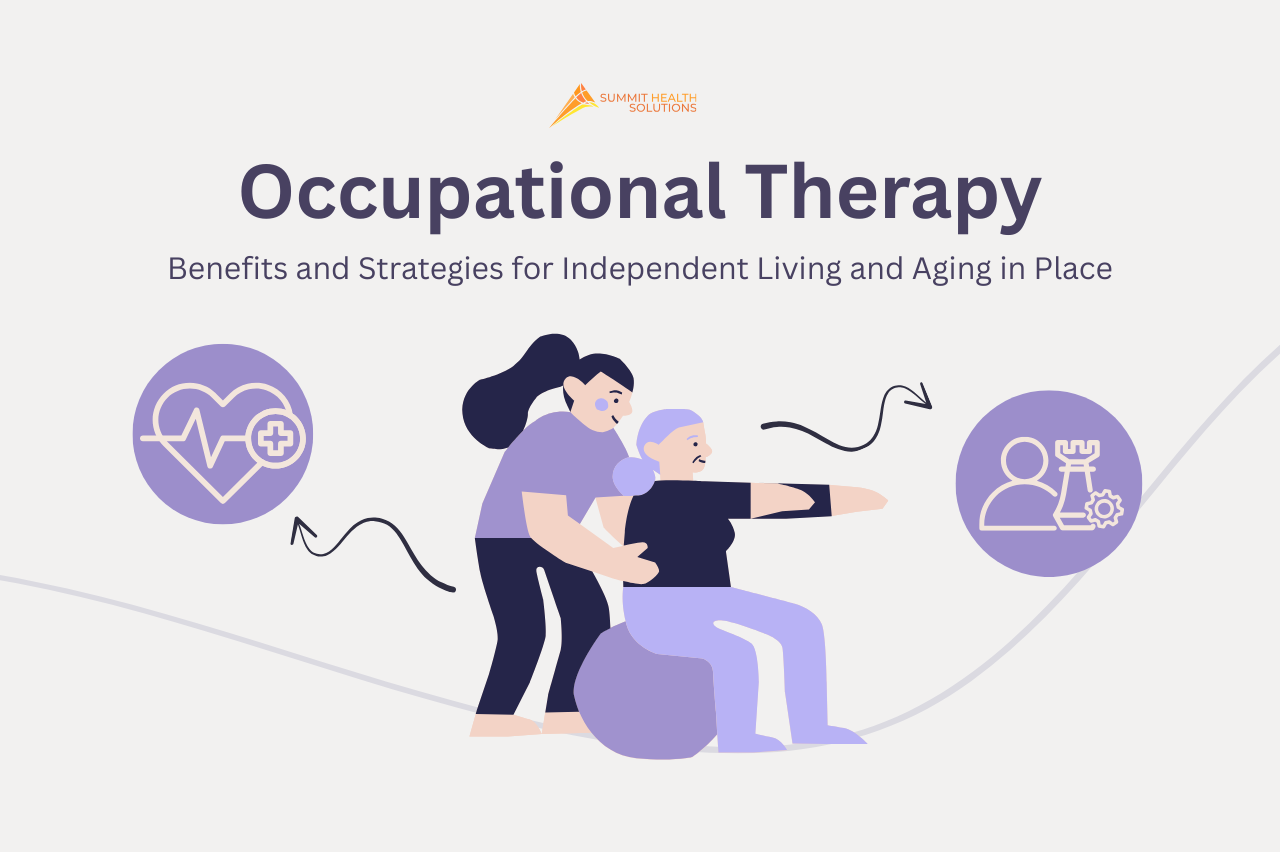
In Australia and globally, occupational therapists play a crucial role in helping older adults remain safe, independent, and comfortable at home. Through personalised interventions, including sensory modulation, they address both behavioural and functional challenges associated with dementia.
What Is Sensory Modulation in Occupational Therapy?
Sensory modulation refers to the process of helping individuals regulate their responses to sensory input. For people with dementia, the brain’s ability to interpret sensory information can become impaired, leading to confusion, anxiety, or agitation.
Occupational therapists assess how a person responds to different sensory stimuli and design tailored strategies to either:
-
Reduce overstimulation (e.g., lowering noise levels)
-
Increase calming input (e.g., gentle touch or soothing music)
-
Balance sensory experiences to improve emotional regulation
According to the World Health Organization (WHO), behavioural and psychological symptoms—such as agitation and restlessness—are common in dementia. Sensory-based interventions are increasingly recognised as a non-pharmacological approach to managing these symptoms safely.
Why Sensory Modulation Matters for Dementia Care
Reducing Agitation and Anxiety
People with dementia often experience heightened sensitivity to environmental triggers. Bright lights, loud noises, or crowded spaces can lead to distress. Occupational therapists use sensory modulation techniques to create calmer, more predictable environments.
Supporting Emotional Regulation
Sensory input directly influences the nervous system. Calming stimuli—like soft textures or familiar scents—can help stabilise mood and reduce emotional outbursts.
Enhancing Daily Function
When sensory needs are met, individuals are better able to engage in everyday activities such as dressing, eating, and socialising—key goals of occupational therapy.
How Occupational Therapists Apply Sensory Modulation
1. Creating a Calm Environment
Occupational therapists assess the home and recommend adjustments such as:
-
Soft, warm lighting instead of harsh fluorescent lights
-
Minimising background noise (TV, radio, appliances)
-
Decluttering spaces to reduce visual overload
These changes align with best practices supported by institutions like Dementia Australia, which emphasises the importance of familiar and low-stress environments.
2. Using Therapeutic Sensory Activities
Targeted activities can help regulate sensory input:
-
Music therapy: Familiar songs can trigger positive memories and reduce agitation
-
Weighted blankets or lap pads: Provide calming deep pressure
-
Aromatherapy: Gentle scents like lavender may promote relaxation
The National Institutes of Health (NIH) notes that sensory-based interventions can significantly improve behavioural symptoms in dementia when applied consistently.
3. Incorporating Movement and Routine
Structured movement activities—like walking or gentle stretching—offer proprioceptive input that helps regulate the body.
Occupational therapists often establish predictable routines, which reduce uncertainty and provide a sense of control. This is particularly important as dementia progresses.
4. Personalising Sensory Strategies
No two individuals experience dementia the same way. Occupational therapists tailor interventions based on:
-
Personal history and preferences
-
Sensory sensitivities
-
Stage of dementia
This personalised approach ensures strategies are both effective and meaningful.
The Role of Occupational Therapy in Supporting Independence
Beyond sensory modulation, occupational therapists focus on helping individuals live safely and independently. Services such as those offered by Summit Health Solutions are designed to help seniors maintain dignity and autonomy at home.
At Summit Health Solutions, occupational therapy services for seniors include:
-
Home safety assessments and fall prevention strategies
-
Assistance with daily activities like bathing, dressing, and cooking
-
Recommendations for assistive devices and home modifications
-
Telehealth services for those in rural or remote areas
These interventions complement sensory modulation by ensuring the environment supports both physical safety and emotional wellbeing.
Addressing Misunderstandings About Occupational Therapy
Many people still misunderstand what occupational therapists actually do. If you’ve ever wondered whether OT is only about physical rehabilitation, you’re not alone. You can explore this further in this helpful article on Myths and Misconceptions About Occupational Therapy, which breaks down common misconceptions and highlights the broader role of OT in areas like dementia care.
Benefits of Sensory Modulation for Seniors with Dementia
Improved Quality of Life
By reducing distress and promoting calmness, sensory modulation allows individuals to experience more positive moments throughout the day.
Reduced Reliance on Medication
Non-pharmacological approaches are increasingly recommended as a first-line strategy in dementia care. Evidence-based guidelines highlight that behavioural and environmental interventions should be prioritised due to the potential risks and limited effectiveness of some medications.
Better Caregiver Support
Caregivers also benefit from structured strategies that make daily care more manageable and less stressful.
When to Consider Occupational Therapy for Dementia
You may benefit from consulting occupational therapists if your loved one:
-
Becomes easily agitated or overwhelmed
-
Struggles with daily activities
-
Experiences frequent falls or safety concerns at home
-
Shows changes in behaviour linked to environmental triggers
Early intervention can significantly improve outcomes and help maintain independence for longer.
FAQs
1. How do occupational therapists assess sensory needs in dementia?
They observe how a person responds to different sensory inputs, review their history and preferences, and evaluate their home environment to identify triggers and calming strategies.
2. Is sensory modulation safe for all stages of dementia?
Yes, it can be adapted to suit early, moderate, and advanced stages. Occupational therapists adjust techniques based on the individual’s cognitive and physical abilities.
3. Can sensory modulation replace medication?
While it may reduce the need for medication, it is usually used alongside medical care. Always consult healthcare professionals for a comprehensive plan.
4. What are simple sensory strategies families can try at home?
Playing familiar music, reducing noise, using soft lighting, and maintaining a consistent routine are effective starting points.
5. How can I access occupational therapy services in Australia?
You can access services through Home Care Packages (HCP) or private providers like Summit Health Solutions, which offer tailored support aligned with Australian aged care standards.
Sensory modulation is a powerful tool that occupational therapists use to calm dementia-related distress and improve everyday life. By understanding how sensory input affects behaviour and emotions, therapists can create personalised strategies that foster comfort, safety, and independence.
For families navigating dementia care, working with experienced providers like Summit Health Solutions can make a meaningful difference. Their holistic approach ensures seniors receive not only practical support but also compassionate care tailored to their unique needs.