Living with arthritis can make everyday tasks feel more tiring than they used to. Simple activities like getting dressed, cooking, or even walking around the house may take more energy and effort. This is where occupational therapy plays a vital role. By focusing on practical strategies and personalised support, occupational therapy helps seniors manage fatigue, reduce joint strain, and continue doing the activities they enjoy.
 In this blog, we’ll explore helpful energy conservation techniques, how arthritis affects daily life, and how occupational therapists—especially at Summit Health Solutions—can support seniors in staying active, independent, and confident.
Understanding Arthritis and Energy Levels
Arthritis is a condition that causes joint pain, stiffness, and inflammation. Over time, these symptoms can lead to fatigue, making it harder to stay active throughout the day. According to the Better Health Channel, arthritis can affect not only joints but also overall wellbeing, including energy levels and mobility.
This is why managing energy is just as important as managing pain.
What is Energy Conservation?
Energy conservation is about using your energy wisely throughout the day. Instead of pushing through fatigue, it focuses on balancing activity and rest, simplifying tasks, and reducing unnecessary strain.
For seniors with arthritis, these small adjustments can lead to noticeable improvements in comfort, independence, and overall quality of life.
Practical Energy Conservation Tips for Seniors with Arthritis
1. Plan Activities Around Your Energy Levels
Not all hours of the day feel the same. Try to:
-
Do more demanding tasks when your energy is highest
-
Space out activities instead of doing everything at once
-
Focus on what matters most
Planning ahead helps prevent exhaustion and supports better fatigue management for arthritis.
2. Pace Yourself Throughout the Day
Pacing is one of the most effective energy conservation techniques for seniors:
-
Break tasks into smaller, manageable steps
-
Take short, regular breaks
-
Avoid rushing
This approach helps reduce joint stress and keeps energy levels more stable.
3. Use Assistive Devices to Reduce Effort
Using the right tools can make everyday tasks much easier:
-
Jar openers
-
Long-handled reachers
-
Shower chairs
-
Lightweight utensils
These tools are designed to reduce strain on joints. As highlighted by Arthritis Action, simple aids and home adjustments can significantly improve comfort and independence for people living with arthritis.
4. Practice Joint Protection Techniques
Protecting your joints is key to long-term mobility:
-
Use larger joints instead of smaller ones when possible
-
Carry items close to your body
-
Avoid gripping tightly for long periods
These joint protection strategies can reduce pain and conserve energy over time.
5. Balance Rest and Movement
Rest is important—but too much can lead to stiffness:
-
Alternate between activity and rest
-
Take short breaks before fatigue sets in
-
Keep your body gently moving throughout the day
This balance supports both mobility and energy levels.
6. Simplify Daily Tasks
Look for ways to make routines easier:
-
Prepare meals in advance
-
Sit while doing tasks like cooking or grooming
-
Keep frequently used items within easy reach
Small changes can make a big difference in conserving energy.
The Role of Occupational Therapy in Arthritis Management
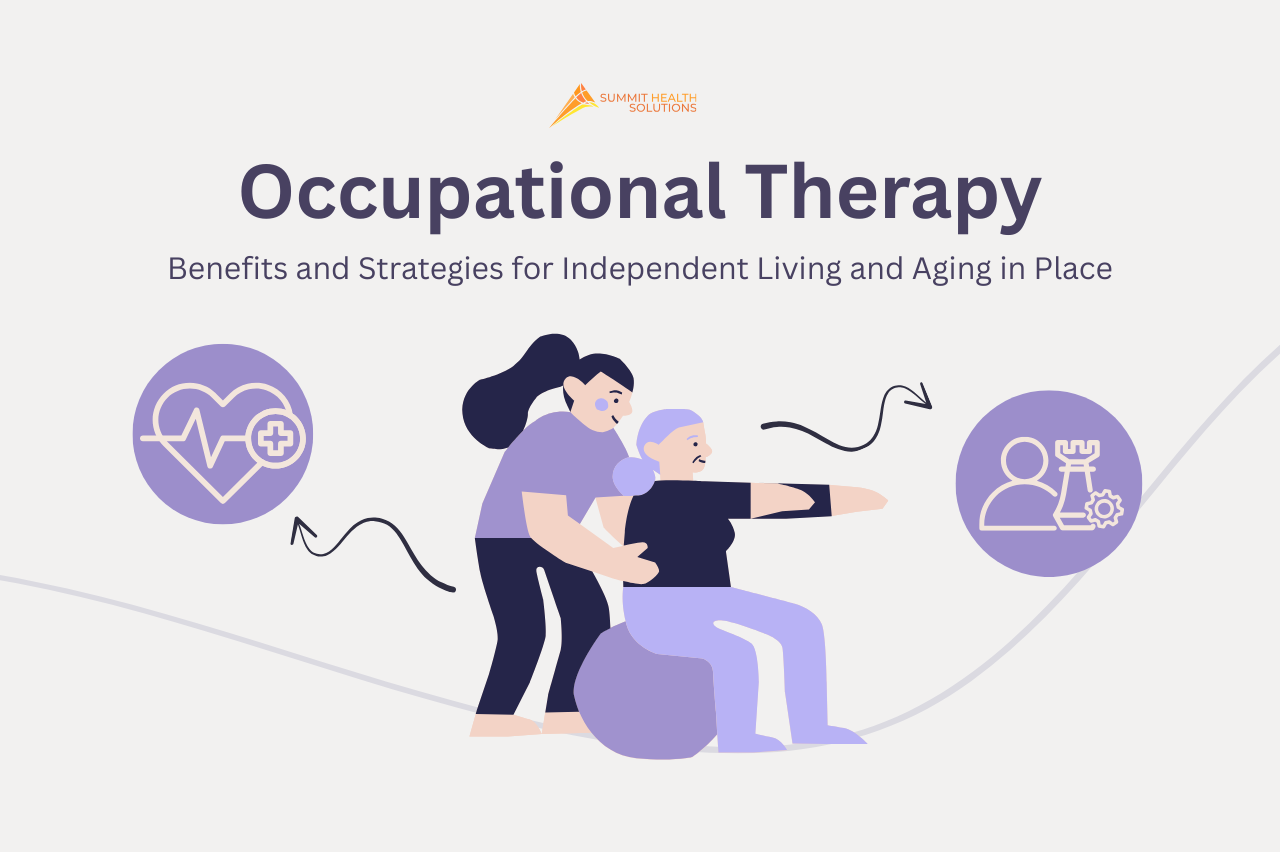
This is where occupational therapy for seniors becomes especially valuable. Occupational therapists focus on helping individuals maintain independence while reducing strain during daily activities.
How Occupational Therapy Helps
An occupational therapist can:
-
Assess your daily routine and suggest improvements
-
Recommend assistive devices suited to your needs
-
Teach energy conservation and pacing techniques
-
Provide strategies for safer movement
-
Adapt your home environment for comfort and accessibility
At Summit Health Solutions, occupational therapy services are tailored specifically for seniors. The focus is on creating practical, personalised strategies that fit naturally into everyday life.
Rather than overwhelming changes, the goal is to introduce simple, effective solutions that support independence and confidence.
Supporting Overall Wellbeing Beyond Physical Health
Occupational therapy also considers emotional and cognitive wellbeing. For seniors who may experience memory or sensory challenges, therapists can use calming techniques and structured routines to support daily life.
You can also explore how these approaches work in our related article: How Occupational Therapists Use Sensory Modulation to Calm Dementia, which highlights how occupational therapy supports both mind and body.
Why Occupational Therapy Matters
Arthritis management is not just about reducing pain—it’s about maintaining a fulfilling lifestyle. With the right support, seniors can:
-
Stay active and engaged
-
Reduce fatigue and discomfort
-
Maintain independence at home
-
Continue enjoying meaningful activities
With guidance from providers like Summit Health Solutions, seniors can confidently manage arthritis while improving their overall quality of life.
FAQs
1. What does occupational therapy do for seniors with arthritis?
Occupational therapy helps seniors manage daily activities by reducing strain on joints, improving movement techniques, and introducing energy-saving strategies.
2. What are the best energy conservation techniques for arthritis?
Effective techniques include pacing activities, planning your day, using assistive tools, and balancing rest with movement.
3. Can assistive devices really make a difference?
Yes. Assistive devices reduce physical effort, protect joints, and make everyday tasks more manageable.
4. Is occupational therapy only for severe arthritis?
No. Occupational therapy can benefit anyone experiencing difficulty with daily tasks, even in the early stages of arthritis.
5. How do I know if I need occupational therapy?
If you feel fatigued, experience pain during daily activities, or find tasks becoming difficult, occupational therapy can help improve your routine and comfort.