Fall Prevention is one of the most important—and often overlooked—health priorities for older adults. Within the first few moments of discussing healthy ageing, falls consistently emerge as a major threat to independence, mobility, and overall quality of life. In fact, falls are the leading cause of injury-related hospitalisations among older adults worldwide, and the risk increases significantly with age.
The good news? Most falls are preventable. With the right combination of education, home modifications, strength and balance training, and professional support, older adults can remain safe, active, and confident in their own homes.

Understanding Why Falls Are So Common in Older Adults
Falls rarely have a single cause. Instead, they usually result from a combination of physical, environmental, and medical factors.
According to the Australian Institute of Health and Welfare (AIHW), falls account for nearly 75% of injury-related hospitalisations among people aged 65 and older. Globally, the World Health Organization identifies falls as the second leading cause of unintentional injury deaths worldwide, with older adults experiencing the highest risk of serious injury.
Why Falls Are So Common in Older Adults
Falls usually result from a combination of physical, medical, and environmental factors rather than a single cause. As people age, everyday movements such as standing up, turning, or navigating uneven surfaces become more challenging.
Research from the University of Sydney – Institute for Musculoskeletal Health highlights that declines in lower-limb strength and balance are key predictors of falls, reinforcing the importance of structured exercise as part of effective falls prevention programs.
Key Risk Factors That Increase Fall Risk
Age-Related Physical Changes
Natural ageing leads to reduced muscle mass, joint flexibility, and reaction speed. These changes limit the body’s ability to recover from slips or trips. The Australian Government Department of Health recommends regular strength and balance training for older adults to reduce fall risk and maintain independence.
Chronic Conditions and Medications
Chronic health conditions such as arthritis, osteoporosis, diabetes, Parkinson’s disease, and vision impairment significantly increase fall risk. Medication side effects can further compound this risk.
The Centers for Disease Control and Prevention notes that sedatives, blood pressure medications, and polypharmacy are major contributors to falls in older adults, making medication reviews an important component of falls prevention planning.
Home and Environmental Hazards
Most falls occur at home. Poor lighting, slippery floors, loose rugs, and unsafe bathrooms are common hazards. According to NSW Health, addressing environmental risks through home modifications can significantly reduce fall-related injuries.
The Serious Impact of Falls on Health and Independence
Falls can have life-changing consequences. Beyond fractures and head injuries, many older adults experience a loss of confidence after a fall, leading to reduced activity, social isolation, and further physical decline.
The Royal Australian College of General Practitioners (RACGP) notes that fear of falling can be just as debilitating as the injury itself:
Evidence-Based Strategies for Fall Prevention
Strength and Balance Training
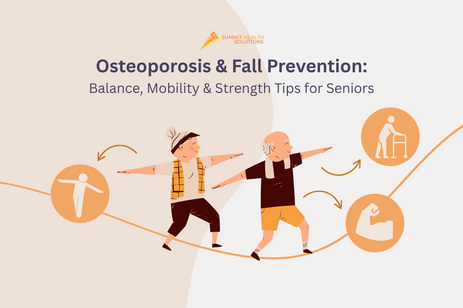
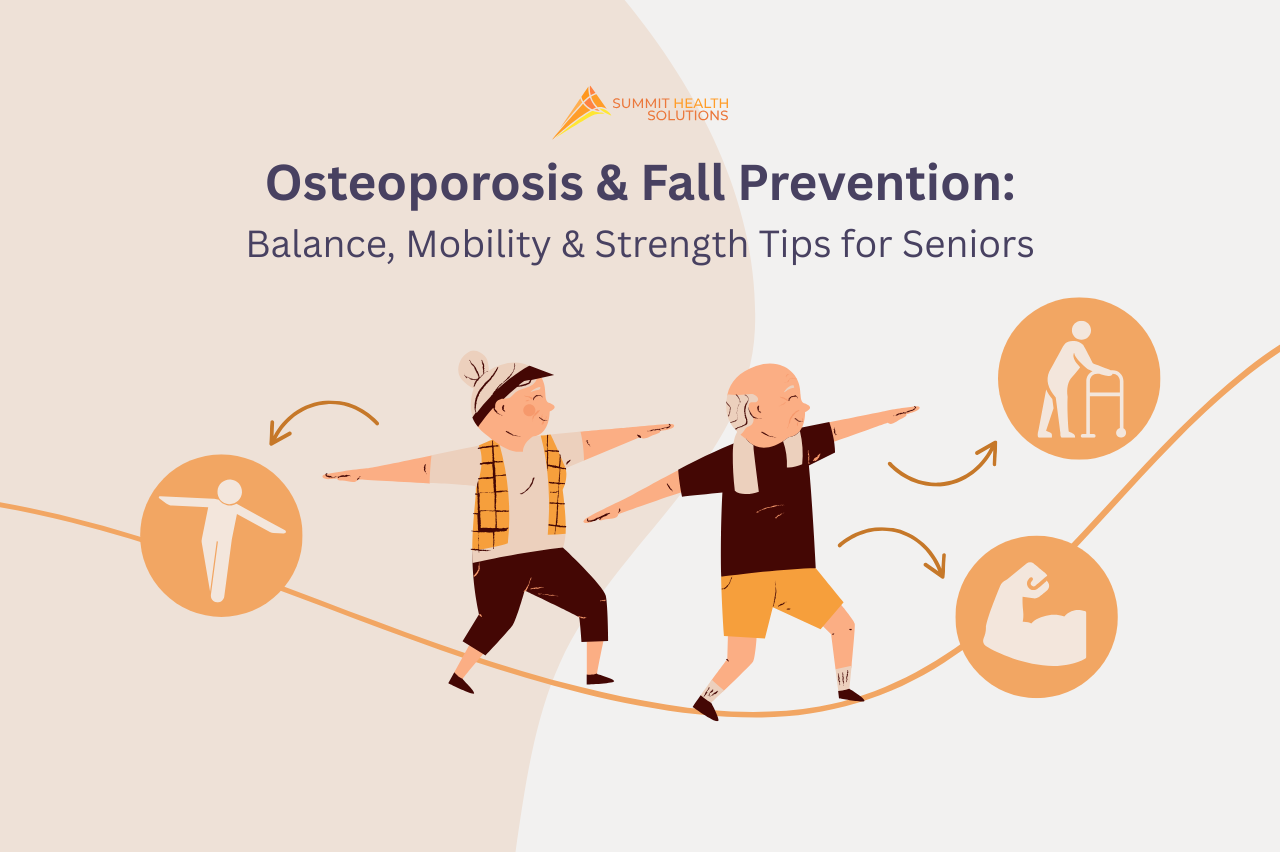
Regular exercise targeting strength, balance, and coordination is one of the most effective fall prevention strategies. Programs that include functional movements, resistance training, and balance challenges significantly reduce fall risk.
Home Safety Assessments
A professional home safety assessment identifies hazards and recommends modifications such as grab rails, improved lighting, non-slip flooring, and safer stair access. Occupational therapists play a critical role in adapting the home environment to support long-term independence.
How Summit Health Solutions Supports Fall Prevention at Home
At Summit Health Solutions, we specialise in falls prevention by bringing experienced Occupational Therapists (OTs) and Physical Therapists (PTs) directly to seniors’ homes. Our team understands that no two individuals—or homes—are the same.
Our falls prevention services include:
-
Individualised strength and balance programs
-
Comprehensive home safety assessments
-
Practical recommendations for modifications and assistive equipment
-
Ongoing therapy delivered in the comfort of the patient’s home
This home-based approach ensures therapy is relevant, accessible, and tailored to real-life environments—helping older adults stay independent for longer.
Prevent Falls at Home – Get Your Free Checklist
One of the simplest steps you can take today is to assess your home environment.Reduce the risk of falls with our Falls Prevention Checklist — a simple tool to help you spot potential hazards in your loved one’s home.
👉 Sign up and download here.
This checklist is an excellent starting point for families and caregivers looking to take proactive steps.
Staying Active Without Increasing Risk
Many older adults worry that focusing on falls prevention means slowing down. In reality, staying active is one of the best ways to remain safe.
You may find this helpful: Fall Prevention for Active Adults: Staying Safe Without Slowing Down. This article explores how older adults can continue enjoying physical activity while reducing fall risk.
Frequently Asked Questions About Fall Prevention
1. Why is fall prevention so important for older adults?
Falls can lead to fractures, hospitalisation, loss of independence, and long-term disability. Effective falls prevention strategies significantly reduce these risks and help seniors maintain quality of life.
2. What exercises are best for fall prevention?
Balance exercises, lower-limb strengthening, flexibility training, and functional movements such as sit-to-stand are highly effective. Programs designed by physiotherapists offer the greatest benefit.
3. Can fall prevention really be done at home?
Absolutely. Home-based falls prevention programs allow therapists to address real-life hazards and movement challenges in the exact environment where falls are most likely to occur.
4. How often should a home safety assessment be done?
A home safety assessment should be completed after any fall, major health change, or at least every few years as mobility and needs evolve.
5. Who should consider professional fall prevention services?
Any older adult who has fallen, feels unsteady, uses mobility aids, or wants to remain independent longer can benefit from professional falls prevention support.
Take the First Step Toward Safer Ageing
Falls may be common, but they are not inevitable. With proactive falls prevention, evidence-based therapy, and home-focused care, older adults can remain confident, mobile, and independent.
If you’re ready to take action, Summit Health Solutions is here to help—bringing expert Occupational and Physical Therapy services straight to your door, with a dedicated focus on keeping seniors safe at home.