Many people associate mobility loss with major health events such as serious injuries or the need for walking aids. However, some of the most significant changes often begin with small, gradual shifts that can easily be overlooked. A slower walking pace, difficulty getting up from a chair, feeling less steady on uneven surfaces, or avoiding certain activities due to reduced confidence may seem minor at first, but these changes can have a lasting impact on active ageing and long-term independence.
 Mobility plays a vital role in how we move through daily life. It affects our ability to complete everyday tasks, participate in social activities, maintain confidence, and continue living independently. While mobility changes are common as we age, recognising them early can create opportunities to maintain function and prevent further decline.
For adults aged 50 and over, staying active and addressing mobility concerns early can help support a healthier and more independent future.
Why Mobility Matters More Than Many People Realise
Mobility is about much more than walking from one place to another.
It influences many everyday activities that people often take for granted, including getting out of bed, climbing stairs, shopping, preparing meals, participating in hobbies, visiting family and friends, or simply moving around the home safely.
When mobility begins to decline, even slightly, people may start making unconscious adjustments to their routines. They may avoid longer walks, limit outings, stop participating in activities they once enjoyed, or become more cautious about movement due to concerns about balance or falls.
Over time, these small changes can affect confidence, independence, and overall wellbeing.
According to the National Institute on Aging, maintaining mobility is closely linked to an individual's ability to continue living independently and participating in meaningful daily activities.
The Hidden Impact of Small Mobility Losses
Many people assume that mobility challenges become important only when they significantly interfere with daily life. In reality, minor changes can gradually lead to larger issues if left unaddressed.
For example:
-
Feeling slightly less steady while walking
-
Taking longer to stand up from a chair
-
Needing more support when climbing stairs
-
Avoiding uneven surfaces
-
Feeling less confident when walking outdoors
-
Reducing participation in physical activities
These seemingly small changes can create a cycle of reduced movement.
When people move less, muscles become weaker, balance can decline, and overall fitness may decrease. This can make everyday activities feel more challenging, leading to even less movement and activity over time.
Breaking this cycle early is often much easier than trying to rebuild strength and confidence after significant decline has occurred.
How Mobility Affects Active Ageing
Active ageing is not simply about staying busy. It involves maintaining the ability to participate in the activities, relationships, and routines that contribute to quality of life.
Good mobility supports active ageing by helping people:
-
Remain independent at home
-
Participate in community activities
-
Stay socially connected
-
Continue recreational pursuits
-
Maintain confidence in daily tasks
-
Support physical and mental wellbeing
When mobility becomes restricted, opportunities for social engagement and participation can also decrease.
This is one reason why movement is so important. Staying active supports not only physical health but also emotional wellbeing, social connection, and overall quality of life.
The Connection Between Mobility and Falls
One of the most significant concerns associated with reduced mobility is an increased risk of falls.
Balance changes, muscle weakness, joint stiffness, and reduced confidence can all contribute to instability. Even when a fall does not result in a serious injury, the experience itself can affect how a person approaches movement.
Many adults become more cautious after a fall or near-fall experience. While this response is understandable, it can sometimes lead to reduced activity levels.
The challenge is that less movement often results in further reductions in strength, balance, and physical function.
The Health in Aging Foundation highlights that encouraging appropriate physical activity remains one of the most effective ways to support mobility and confidence, even when concerns about falling exist.
Why Staying Active Matters
One of the most effective ways to support mobility is through regular movement.
Importantly, exercise does not need to be intense or complicated to be beneficial.
Research consistently shows that maintaining regular physical activity can help support strength, balance, flexibility, and overall function. Even incorporating more movement into daily routines can have a positive impact.
Examples may include:
-
Walking regularly
-
Strength-based exercises
-
Balance-focused activities
-
Functional movement exercises
-
Stretching routines
-
Everyday movement such as household activities
The goal is not necessarily athletic performance. Instead, it is about preserving the physical abilities that support independence and participation in everyday life.
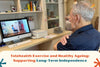
As discussed in our blog, Telehealth Exercise and Healthy Ageing: Supporting Long-Term Independence, consistent movement habits can play an important role in maintaining function and reducing the impact of age-related changes over time.
Common Barriers to Exercise
Although many people understand the benefits of exercise, staying active is not always easy.
Common barriers may include:
-
Transportation challenges
-
Limited access to local exercise programs
-
Busy schedules
-
Health concerns
-
Reduced confidence
-
Fear of injury or falls
-
Weather conditions
-
Caring responsibilities
For some individuals, these challenges can gradually lead to a more sedentary lifestyle.
Unfortunately, spending extended periods sitting or being inactive can contribute to further reductions in mobility and physical function.
Finding practical and accessible ways to stay active can therefore make a meaningful difference.
How Telehealth Exercise Helps
Telehealth exercise programs are helping remove some of the barriers that make regular physical activity difficult.
Rather than requiring participants to travel to a clinic or community centre, exercise sessions can be accessed from home using a computer, tablet, or smartphone.
This can make participation more convenient and achievable, particularly for adults who have mobility limitations, transportation difficulties, or busy schedules.
At Summit Health Solutions Telehealth Exercise Program, participants can join structured online group exercise sessions designed to support movement, confidence, and healthy ageing from home.
These sessions provide a safe and supportive environment where participants can stay active while benefiting from professional guidance and the encouragement of exercising alongside others.
The Benefits of Group-Based Telehealth Exercise
Exercise is not only about physical movement.
Group exercise programs can also provide valuable opportunities for social interaction and connection. Maintaining these connections can become increasingly important as people age.
Benefits may include:
Improved Confidence
Regular participation can help individuals feel more comfortable moving and engaging in everyday activities.
Better Mobility and Function
Exercises that focus on strength, balance, and functional movement can help support the physical abilities required for daily living.
Greater Consistency
Being part of a structured program often helps people establish and maintain healthy exercise habits.
Social Connection
The Australian Department of Health and Aged Care recognises the importance of staying connected and engaged as part of healthy ageing. Group programs can provide opportunities to interact with others while working towards shared health goals.
Small Changes Today Can Make a Big Difference Tomorrow
Mobility decline rarely happens overnight.
More often, it begins with small changes that gradually affect how people move, participate, and engage in everyday life.
Paying attention to these early signs can create opportunities to take action before mobility challenges become more significant.
Whether that means increasing daily movement, participating in a structured exercise program, seeking professional guidance, or finding new ways to stay active, early action can help support long-term independence.
Supporting Healthy Movement with Summit Health Solutions
At Summit Health Solutions, we understand that maintaining mobility is an important part of healthy ageing.
Our Telehealth Exercise Program provides structured online group sessions designed to help adults stay active, improve confidence, and maintain movement from the comfort of home.
By making exercise more accessible, we aim to help participants continue doing the activities that matter most to them—both now and into the future.
Frequently Asked Questions
What are early signs of mobility decline?
Early signs may include walking more slowly, feeling less steady on your feet, struggling to stand from a chair, avoiding stairs, or feeling less confident during everyday activities.
Why is mobility important as we age?
Mobility supports independence, participation in daily activities, social engagement, and overall quality of life. Maintaining mobility can help people continue living safely and confidently at home.
Can small mobility changes become serious over time?
Yes. Minor mobility challenges can gradually affect strength, balance, confidence, and activity levels. Addressing these changes early may help prevent further decline.
How does telehealth exercise support mobility?
Telehealth exercise makes it easier to access guided exercise programs from home. This can help people maintain regular movement habits while overcoming barriers such as transportation or limited local services.
Who can benefit from a telehealth exercise program?
Adults who want to improve or maintain mobility, stay active, build confidence with movement, or access structured exercise support from home may benefit from participating in a telehealth exercise program.