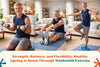
Walking is often the first form of exercise people adopt as they get older—and for good reason. It’s accessible, low-impact, and easy to maintain. However, if walking is the only activity in your routine, it may not be enough to fully support cardiovascular health. This is where telehealth exercise becomes a valuable addition, especially for adults aged 50 and above who want to strengthen their heart and lungs safely at home.
Telehealth exercise offers structured, guided movement that challenges the body in ways walking alone cannot. While daily walks support general mobility, the heart and lungs need varied intensity, resistance, and coordination to continue adapting and improving over time.
Why Walking Alone Isn’t Enough for Heart and Lung Fitness
Walking keeps you moving, but over time the body adapts to the same pace and terrain. When this happens, improvements in aerobic capacity can plateau. Your heart rate may no longer rise enough to strengthen the cardiovascular system, and breathing patterns may stay shallow rather than becoming more efficient.
For adults over 50, this plateau matters. Age-related changes such as reduced muscle mass, lower lung elasticity, and slower oxygen delivery can make everyday activities more tiring. According to the Australian Institute of Health and Welfare, maintaining cardiovascular fitness plays a key role in preserving independence and reducing the risk of chronic disease as we age.
Without structured exercise, many regular walkers still experience:
-
Breathlessness during stairs or hills
-
Reduced stamina for household tasks
-
Longer recovery time after activity
Walking is beneficial—but it’s only part of the solution.
How Telehealth Exercise Improves Heart and Lung Function
A structured telehealth exercise program introduces intentional cardiovascular challenge. These guided sessions are designed to gently elevate heart rate, improve breathing efficiency, and strengthen the muscles that support oxygen use throughout the body.
Global physical activity guidelines from the World Health Organization emphasise that adults benefit most when aerobic exercise is combined with strength and balance training. Telehealth programs are uniquely positioned to deliver this combination in a safe, accessible format.
Guided home exercise can include:
-
Short intervals that raise heart rate safely
-
Strength movements using body weight or light resistance
-
Coordinated actions that improve circulation and balance
-
Controlled breathing to support lung capacity
This variety ensures the heart and lungs continue adapting—something walking alone often cannot achieve.
The Value of Guided Home Exercise After 50
One of the biggest barriers to improving fitness later in life isn’t motivation—it’s uncertainty. Many people stop progressing because they’re unsure what exercises are safe or effective. Guided telehealth sessions remove that doubt.
Instead of guessing what to do, participants follow clear instructions in real time. This structure builds confidence, consistency, and long-term adherence. Research supported by Heart Foundation Australia shows that regular, moderate-intensity cardiovascular exercise significantly improves endurance and heart health in older adults when performed consistently.

Just as importantly, guided exercise reduces fear of injury, which is a common reason people limit movement as they age.
Cardio, Circulation, and Brain Health Are Connected
Heart health doesn’t just affect physical stamina—it also supports brain function. Improved circulation means better oxygen and nutrient delivery to the brain, which plays a role in memory, focus, and mood regulation.
This connection is explored further in Why Telehealth Cardio Workouts Boost Heart & Brain Health in Seniors, where the relationship between guided cardiovascular exercise and cognitive wellbeing is discussed in more detail. When exercise includes rhythm, coordination, and changes in intensity, it stimulates both physical and mental systems simultaneously.
This dual benefit is especially important for adults looking to maintain overall wellbeing—not just physical strength.
Staying Active at Home Without Losing Motivation
Home-based exercise is convenient, but motivation can fade when people feel isolated. Telehealth group sessions solve this by creating a shared experience, even though participants join from different locations.
Many adults find that group-based telehealth exercise helps them:
-
Stay consistent with a regular routine
-
Feel encouraged by exercising alongside others
-
Regain confidence in their physical abilities
-
Reduce feelings of isolation
This social element supports long-term participation, which is essential for meaningful heart and lung improvements.
Telehealth Exercise With Summit Health Solutions
At Summit Health Solutions, we offer a structured telehealth exercise program designed to help older adults stay active, strong, and confident at home. Our live online group sessions focus on safe, guided movement that supports cardiovascular fitness, strength, balance, and overall mobility.
You can learn more about our program here: telehealth exercise program.
The program is well suited for adults aged 50 and above who want:
-
Guided group-based exercise from home
-
Clear structure and professional oversight
-
A supportive and encouraging environment
-
Flexible participation without travel barriers
Rather than replacing walking, this program complements it—helping participants get more out of their existing activity.
How Walking and Guided Exercise Work Best Together
Walking remains a valuable daily habit. The key is recognising that it works best as part of a broader movement routine. When walking is combined with guided home exercise, the body receives a more complete cardiovascular stimulus.
Walking supports:
-
Daily movement and circulation
-
Joint mobility
-
Mental wellbeing
Guided exercise adds:
-
Targeted heart and lung conditioning
-
Strength to support oxygen use
-
Balance and coordination to reduce fall risk
Together, they create a sustainable, well-rounded approach to healthy ageing.
Frequently Asked Questions
1. Is telehealth exercise suitable for adults aged 50–65 as well as seniors?
Yes. Telehealth exercise is highly suitable for adults aged 50–65 who want to maintain or improve fitness before age-related decline becomes more noticeable. Programs are adaptable and designed to support varying ability levels.
2. Will telehealth exercise replace my daily walking routine?
No. Telehealth exercise is designed to complement walking, not replace it. Walking provides daily movement, while guided sessions add cardiovascular challenge, strength, and structure.
3. Do I need special equipment to join a telehealth exercise program?
Most sessions use minimal equipment, such as a sturdy chair or light resistance. This makes participation practical and accessible for home environments.
4. How does guided exercise improve lung capacity?
Guided sessions encourage deeper, more controlled breathing and sustained aerobic effort. Over time, this improves breathing efficiency and oxygen exchange.
5. What makes group telehealth exercise different from exercising alone?
Group telehealth exercise provides structure, accountability, and social connection. These factors significantly improve consistency and long-term results compared to exercising independently.
Walking is a strong foundation—but it doesn’t have to be the finish line. With the right guidance, variety, and support, telehealth exercise can help adults over 50 strengthen their heart and lungs, stay confident in their movement, and remain active at home for longer.