Staying mentally sharp and physically steady becomes increasingly important as we age—and telehealth exercise is proving to be a powerful way to support both. For older adults aged 50 and above, maintaining coordination isn’t just about preventing falls; it’s also about preserving cognitive function, independence, and overall quality of life. With guided programs now available online, it’s easier than ever to stay active, engaged, and connected from home.
Why Telehealth Exercise Supports Both Brain and Body
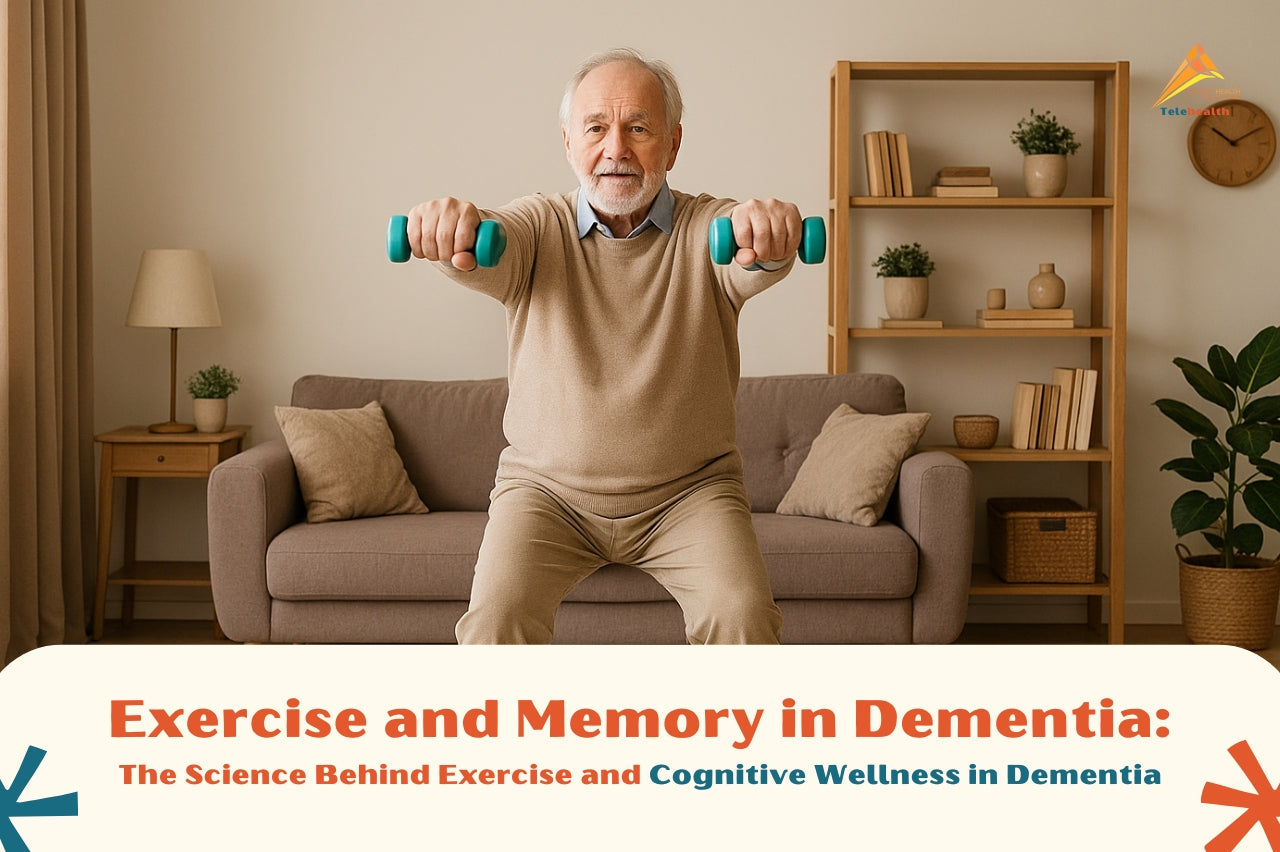
The relationship between physical movement and brain health is well established. Engaging in regular activity increases blood flow to the brain, supports neural connections, and enhances cognitive performance. According to the Australian Institute of Health and Welfare, physical activity plays a vital role in maintaining health across all life stages, particularly in older adulthood where it helps preserve both mobility and mental function.
 What makes telehealth exercise especially effective is its ability to deliver structured, guided sessions consistently—without the barriers of travel or accessibility. This allows participants to build routines that support both physical coordination and cognitive resilience over time.
The Science Behind Coordination and Cognition
Coordination involves more than just muscle control—it requires the brain to process information, make decisions, and execute movements efficiently. Activities that challenge coordination activate multiple brain regions at once, strengthening neural pathways.
How Movement Enhances Cognitive Function
-
Dual-task exercises (e.g., stepping while counting) improve attention and multitasking
-
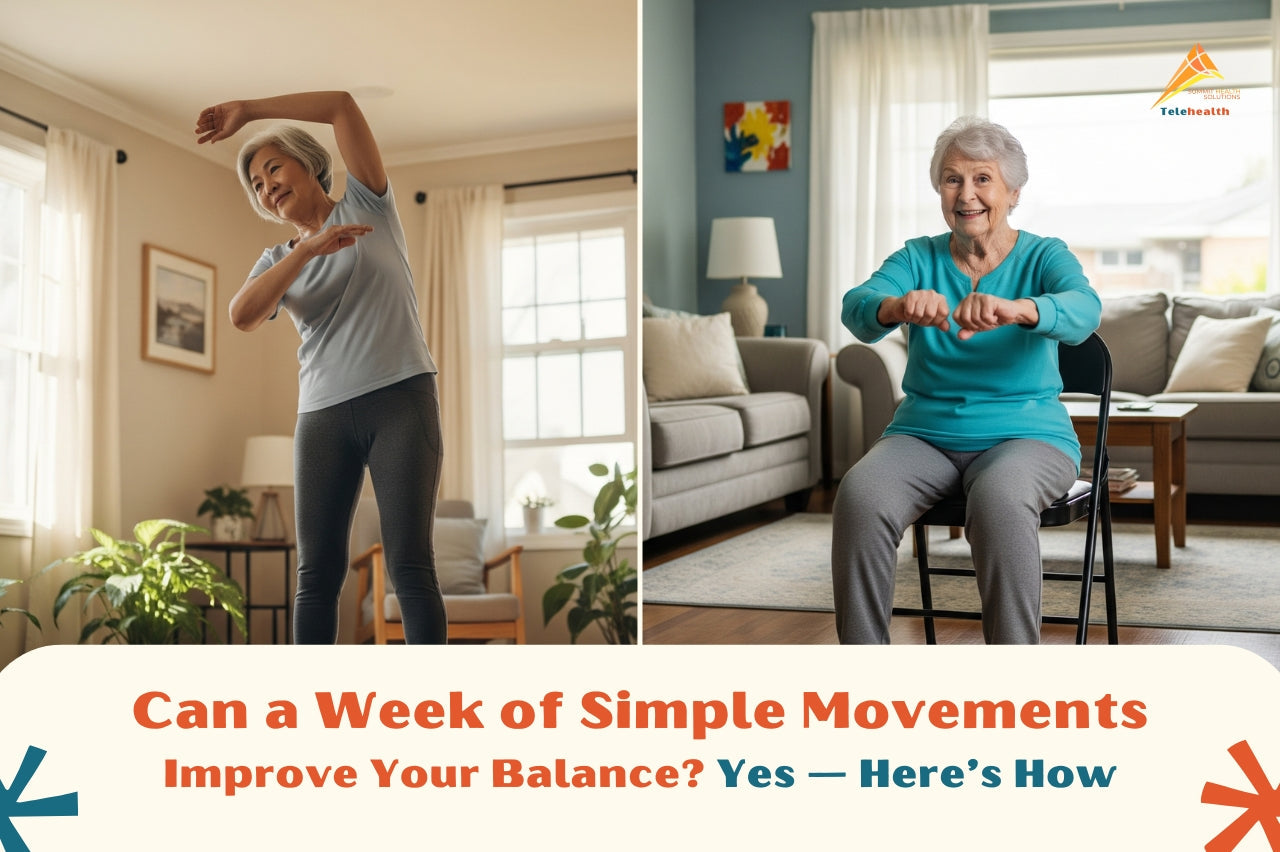
Balance training strengthens spatial awareness and reaction time
-
Sequenced movements enhance memory and processing speed
Research from Harvard Health Publishing shows that exercise can significantly boost memory and thinking skills, reinforcing the idea that physical activity is essential for maintaining brain health as we age.
Similarly, Dementia Australia highlights that engaging the brain through stimulating activities supports its ability to adapt and form new connections, even later in life—making coordinated movement particularly valuable for long-term cognitive health.
How Telehealth Exercise Keeps Seniors Engaged
Accessible and Consistent Movement
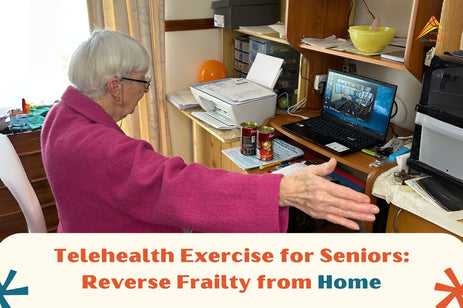
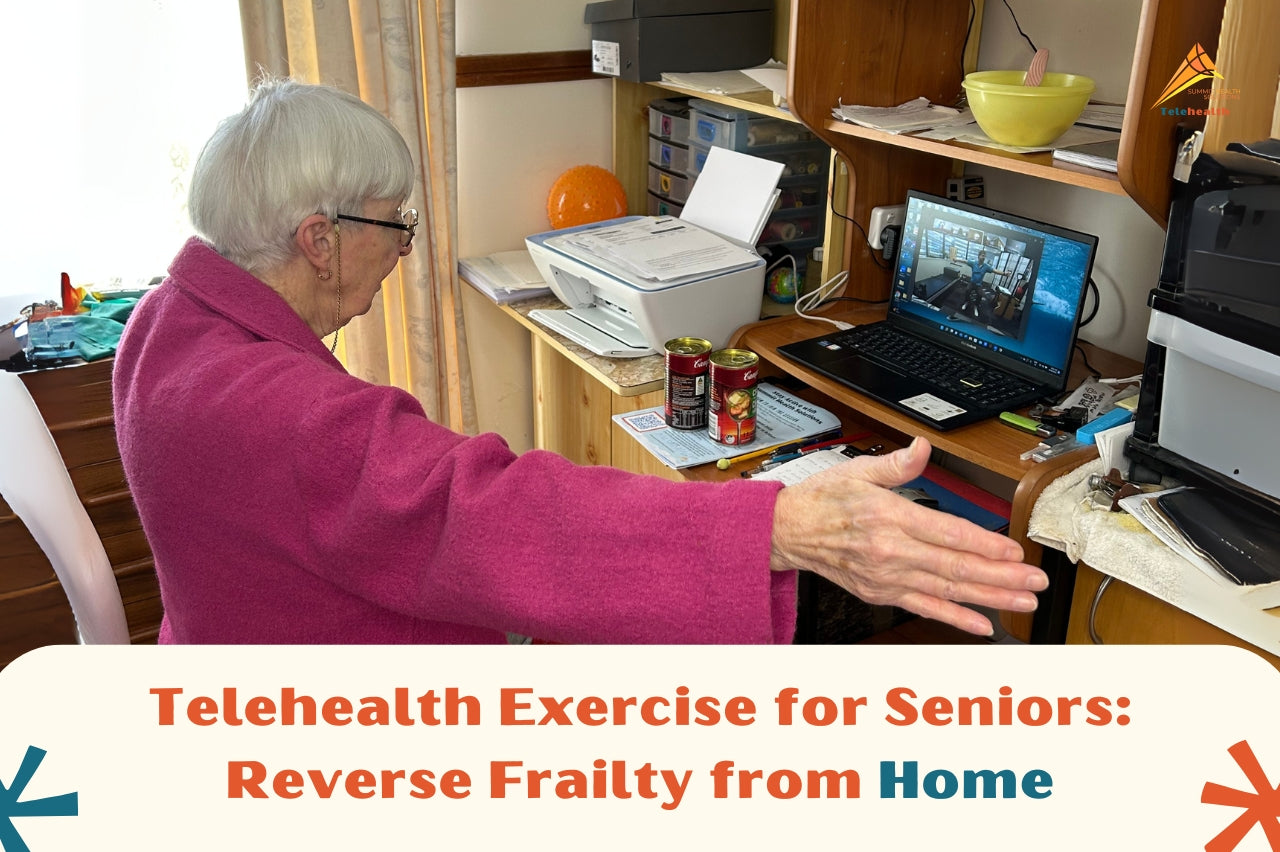
One of the biggest advantages of telehealth exercise is accessibility. Older adults can participate in guided sessions from home, removing common barriers like transport limitations or lack of local programs.
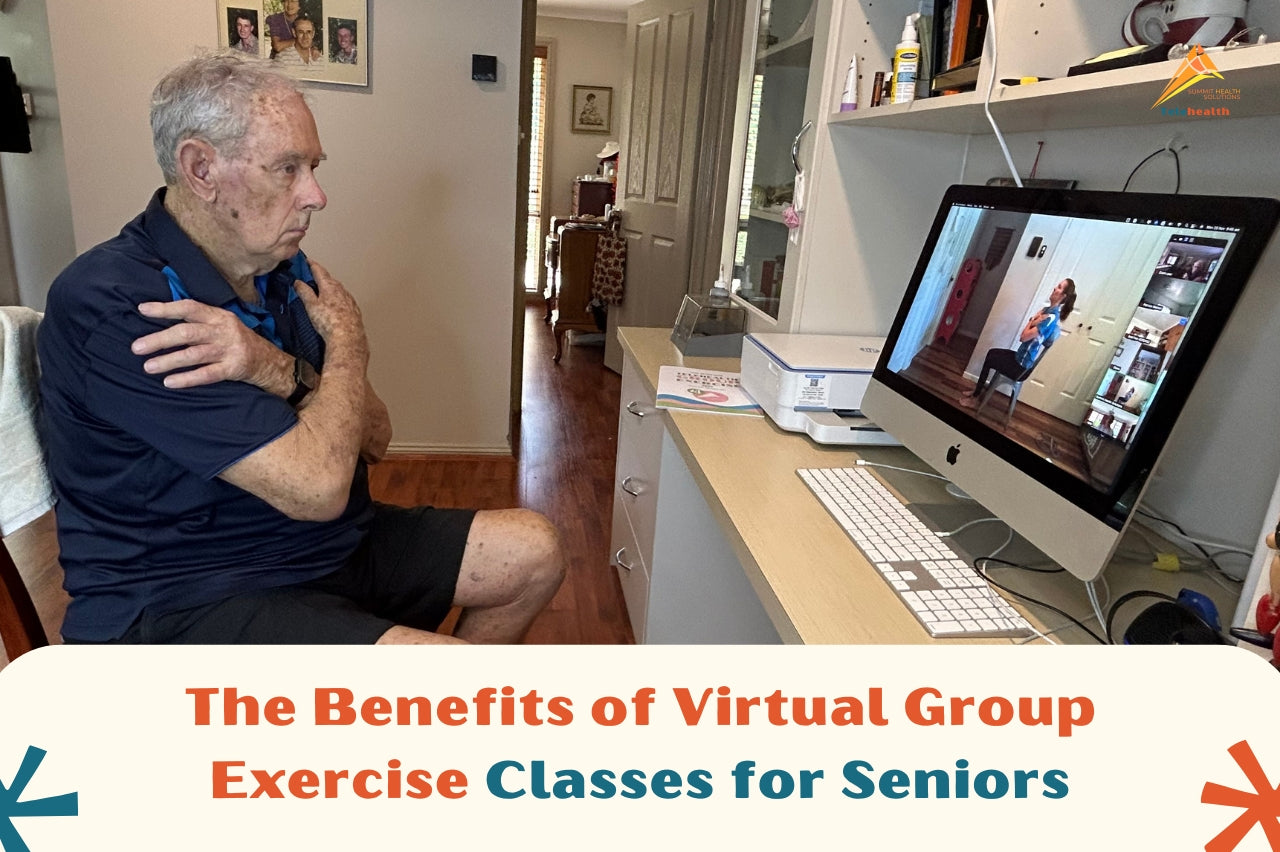
The Summit Health Solutions Telehealth Exercise Program offers structured group sessions designed to help older adults stay active safely while also incorporating coordination and cognitive challenges. These sessions are guided by professionals and focus on functional movements that translate into everyday activities.
Social Interaction and Mental Stimulation
Beyond physical benefits, telehealth exercise fosters social engagement. Participating in group sessions creates a sense of connection, which is crucial for mental well-being.
Regular interaction, even in a virtual setting, can:
-
Improve mood and motivation
-
Reduce feelings of isolation
-
Enhance cognitive engagement
These social and mental elements work together to support overall brain health, making telehealth programs more than just exercise—they become a holistic wellness approach.
Strengthening Mental Clarity Through Structured Programs
Mental clarity is closely tied to physical activity. When movement is paired with cognitive challenges, the brain is stimulated in a way that promotes long-term function.
This is particularly important as we age, as the brain benefits from continued stimulation. Dementia Australia emphasises that engaging in mentally stimulating activities can help maintain brain function and delay cognitive decline.
Incorporating both physical and mental elements into exercise routines creates a more effective approach to healthy ageing. If you’d like to explore this further, you can also read our related article on Supporting Mental Clarity and Physical Stability Through Telehealth Exercise, which expands on how these strategies work together in practical settings.
What Makes a Telehealth Exercise Program Effective?
Not all programs deliver the same benefits. A well-designed telehealth exercise program should address both physical and cognitive needs while remaining accessible and engaging.
Key Elements of an Effective Program
-
Guided sessions led by qualified professionals
-
Exercises targeting strength, balance, and coordination
-
Incorporation of cognitive challenges
-
Opportunities for social interaction
-
Flexible access to live and recorded sessions
Programs like Summit Health Solutions are built around these principles, helping participants maintain both physical independence and mental sharpness.
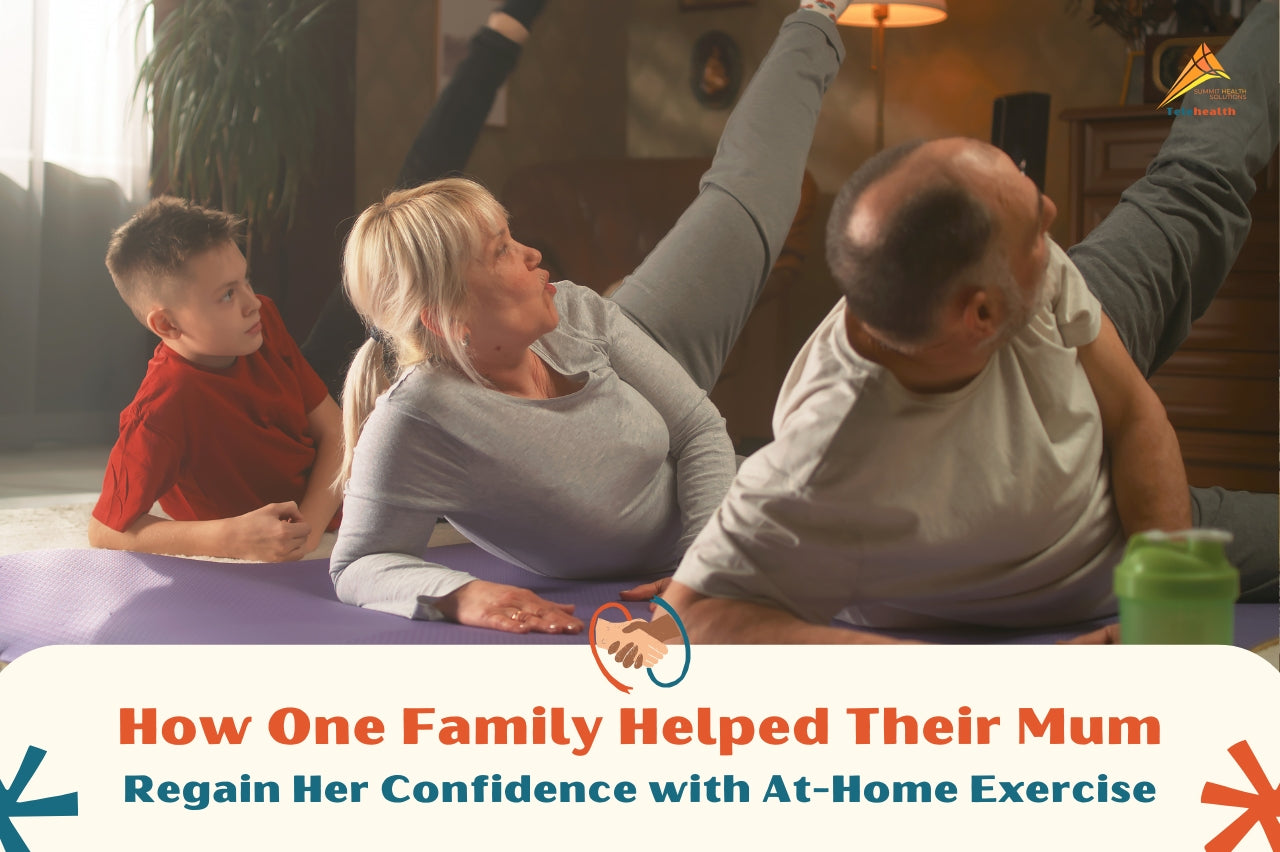
Building Confidence and Independence at Home
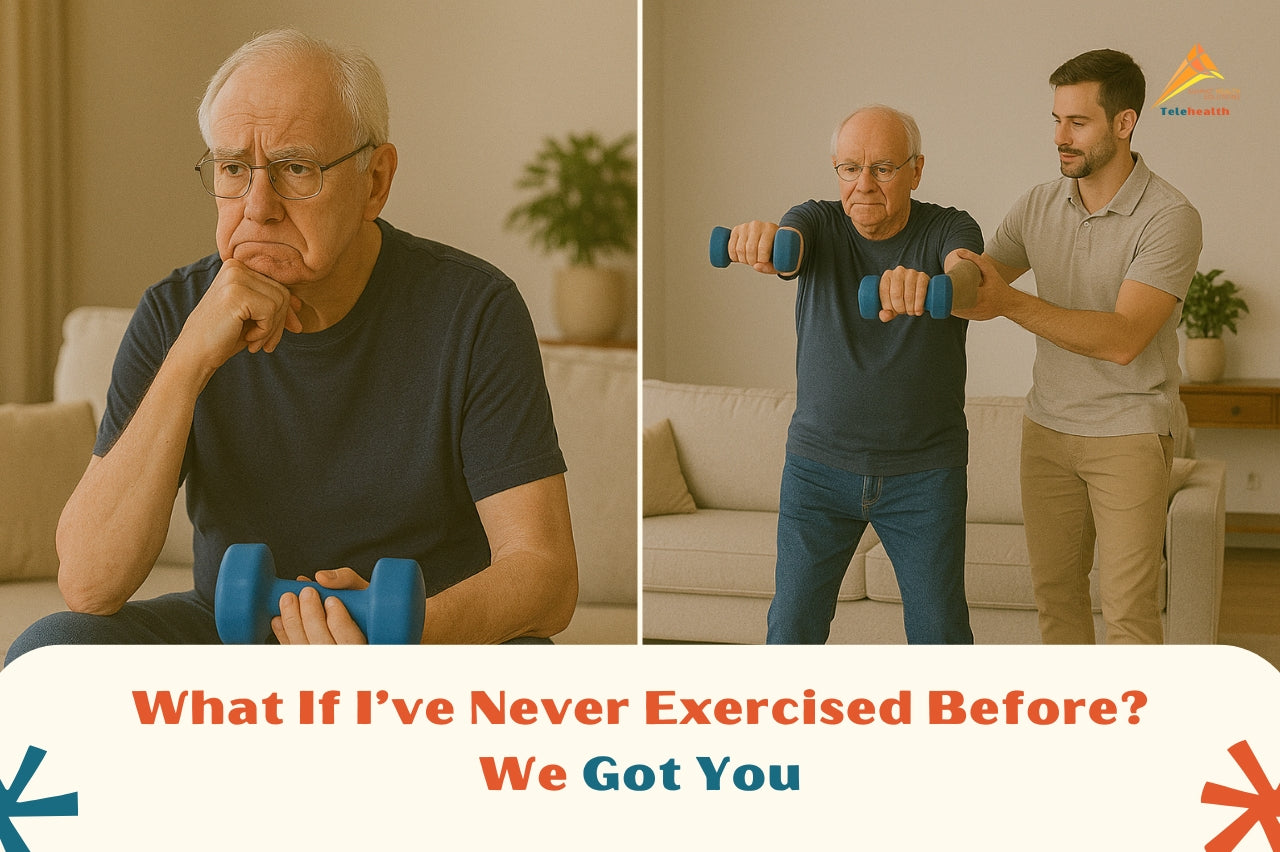
Confidence is a key factor in staying active. Many older adults reduce their activity levels due to fear of falling or injury, which can lead to further decline.
Telehealth exercise helps rebuild that confidence by providing:
-
A safe, familiar environment
-
Gradual progression of exercises
-
Encouragement from professionals and peers
-
Consistent routines that reinforce capability
Over time, this leads to greater independence in daily activities and a more positive outlook on movement and health.
The Growing Role of Telehealth Exercise in Healthy Ageing
As healthcare continues to evolve, telehealth exercise is becoming an essential tool in supporting older adults. It combines convenience, structure, and evidence-based practice to deliver meaningful results.
By integrating coordination, cognitive stimulation, and social connection, telehealth programs offer a comprehensive approach to ageing well—one that empowers individuals to take control of their health from home.
FAQs About Telehealth Exercise
1. What is telehealth exercise and how does it work?
Telehealth exercise involves guided physical activity sessions delivered online, allowing participants to join from home while being led by qualified professionals.
2. Can telehealth exercise really improve brain function?
Yes. Exercises that combine movement with coordination and cognitive tasks can enhance memory, attention, and overall mental performance.
3. Is telehealth exercise suitable for people aged 50–65?
Absolutely. These programs are ideal for adults in this age group who want to stay active, prevent decline, and maintain both physical and cognitive health.
4. Do I need special equipment to participate?
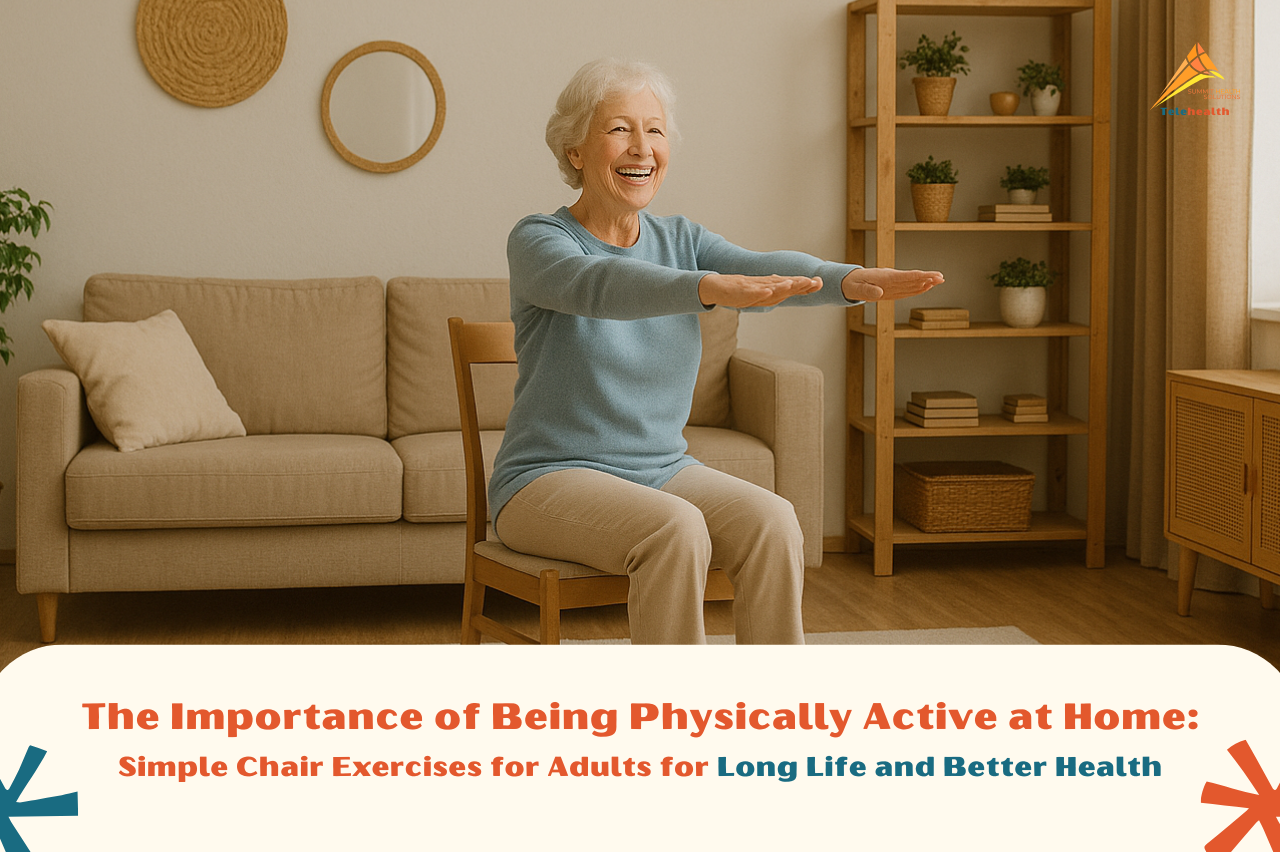
Most programs require minimal equipment—often just a chair and some space to move. Some sessions may include light resistance tools.
5. What results can I expect from joining a telehealth exercise program?
With consistent participation, many older adults notice improvements in balance, coordination, strength, and mental clarity. Over time, this can lead to greater confidence in daily activities, reduced risk of falls, and better overall cognitive function.
Maintaining coordination and cognitive health doesn’t have to be complicated or inaccessible. With telehealth exercise, older adults can stay active, mentally engaged, and socially connected—all from the comfort of home.
By combining movement, brain stimulation, and community, programs like those offered by Summit Health Solutions are helping redefine what it means to age well—supporting not just longer lives, but better ones.