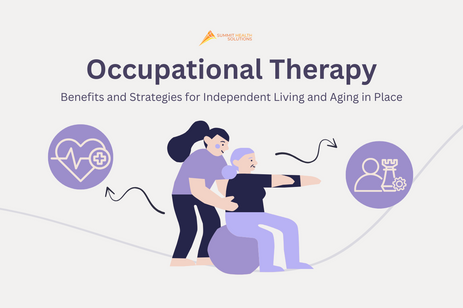
Occupational therapy plays a vital role in helping older adults remain independent, safe, and confident in their own homes. As people age, everyday tasks such as dressing, cooking, bathing, or moving safely around the house can become more challenging. Within the first signs of these changes, occupational therapy can make a meaningful difference—supporting seniors to adapt, regain function, and continue living life on their own terms.
Across Australia, ageing at home is a growing priority. Research and government policy consistently show that with the right supports in place, older adults can maintain both independence and quality of life. Occupational therapy is one of the most effective allied health services for achieving this goal, particularly when delivered in the home environment.

What Is Occupational Therapy and Why Is It Important for Seniors?
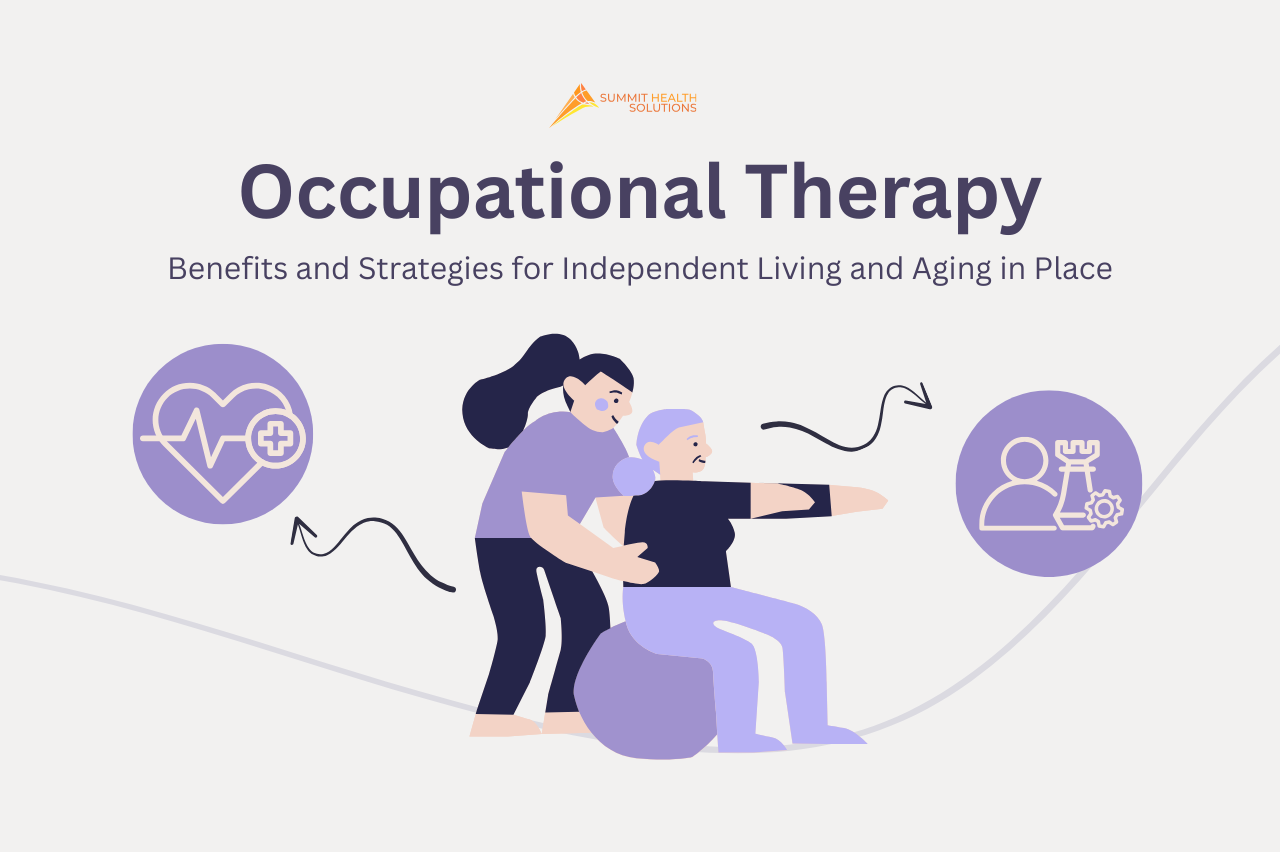
Occupational therapy focuses on enabling people to participate in the activities that matter most to them—often referred to as “occupations.” For seniors, this may include personal care, household tasks, mobility, leisure activities, and social participation.
According to Occupational Therapy Australia, occupational therapists work with older adults to promote independence, prevent injury, and support participation in everyday life by modifying tasks, environments, or routines.
For seniors living at home, occupational therapy is particularly valuable because it addresses real-life challenges where they occur—within familiar spaces and routines.
How Occupational Therapy Supports Independence at Home
Addressing Everyday Functional Challenges
Small difficulties can gradually erode independence. Trouble stepping into the shower, managing kitchen tasks, or getting up from a chair may seem minor at first but can increase the risk of falls or injury over time. Occupational therapy identifies these challenges early and provides practical strategies to manage them safely.
Evidence from the Australian Institute of Health and Welfare (AIHW) highlights that functional limitations are a leading reason older adults require additional care. Early occupational therapy intervention can reduce this progression by supporting safer daily functioning.
Home Modifications and Environmental Safety
A key component of occupational therapy is assessing the home environment. Simple changes—such as grab rails, improved lighting, modified furniture heights, or rearranged layouts—can significantly reduce fall risk.
The World Health Organization identifies home hazard modification as a critical strategy for fall prevention among older adults. Occupational therapists are uniquely trained to recommend and implement these changes based on individual needs.
The Role of Occupational Therapy in Healthy Ageing
Healthy ageing is not just about managing medical conditions—it is about maintaining function, autonomy, and participation. Occupational therapy supports all three.
Research shows that functional, home-based interventions improve confidence and daily participation in older adults. Occupational therapists help seniors adapt to physical or cognitive changes while preserving meaningful routines.
This approach aligns closely with the concept of “ageing in place,” which is strongly supported by Australian health policy and international research.
Occupational Therapy, Falls Prevention, and Safety
Falls are one of the most significant health risks facing older adults. The Centers for Disease Control and Prevention (CDC) reports that falls are a leading cause of injury-related hospitalisation among seniors worldwide.
Occupational therapy plays a preventative role by:
-
Assessing mobility and transfer safety
-
Recommending assistive equipment
-
Modifying high-risk home environments
-
Educating seniors and families on safe movement strategies
By addressing these factors together, occupational therapy reduces risk while supporting confidence rather than fear of movement.
In-Home Occupational Therapy and Daily Living
Delivering occupational therapy in the home allows interventions to be highly personalised. Therapists can observe how seniors actually perform daily tasks and tailor strategies accordingly.
This approach is especially effective for activities such as:
-
Showering and personal hygiene
-
Meal preparation and kitchen safety
-
Dressing and grooming
-
Medication routines
-
Mobility within the home and community
If you would like to explore this approach further, our related article “Making Daily Life Easier: The Role of In-Home Occupational Therapy for Seniors” expands on how home-based occupational therapy directly supports daily independence.
Occupational Therapy as Part of a Broader Care Plan
Occupational therapy often works alongside other services such as physiotherapy, nursing care, and GP management plans. This coordinated approach is supported by the Australian Commission on Safety and Quality in Health Care, which emphasises comprehensive, multidisciplinary care to improve outcomes for older adults.
When occupational therapy is integrated early, it can reduce hospital readmissions, support safer discharge planning, and maintain continuity of care at home.
Occupational Therapy Services for Seniors at Summit Health Solutions
At Summit Health Solutions, we offer occupational therapy services specifically designed to support seniors living at home. Our focus is on practical, evidence-based strategies that improve safety, independence, and confidence in everyday life.
Our occupational therapists work with seniors and families to:
-
Assess functional abilities and goals
-
Identify environmental risks
-
Recommend assistive equipment and adaptations
-
Support participation in meaningful daily activities
By delivering occupational therapy in the home, we ensure that strategies are realistic, relevant, and immediately applicable to daily routines.
FAQs
1. When should a senior consider occupational therapy?
Occupational therapy can be helpful at any stage where daily activities become more difficult. Early referral—when small challenges first appear—can prevent injuries and slow functional decline.
2. Is occupational therapy only for people with injuries?
No. Occupational therapy supports seniors with age-related changes, chronic conditions, balance issues, and cognitive changes—not just injury recovery. Its goal is long-term independence and safety.
3. How does occupational therapy differ from physiotherapy?
Physiotherapy often focuses on strength, movement, and physical rehabilitation, while occupational therapy focuses on how those abilities are used in daily life. Both services frequently work together.
4. Can occupational therapy reduce the risk of falls?
Yes. Evidence from the World Health Organization and CDC shows that home-based interventions, environmental modifications, and education—core components of occupational therapy—significantly reduce fall risk.
5. Do family members benefit from occupational therapy involvement?
Absolutely. Occupational therapists provide guidance and education to families, helping them support loved ones safely while reducing caregiver stress and uncertainty.
Occupational therapy empowers seniors to move from struggle to strength by focusing on what truly matters—daily independence, safety, and quality of life. With the right support, ageing at home can remain both achievable and fulfilling.
At Summit Health Solutions, our occupational therapy services are designed to help seniors live confidently at home while supporting families with practical, evidence-based care.